Google Ads for HVAC: Maximizing Your PPC Campaigns

Michele Smith • November 22, 2023

For most HVAC contractors, the early summer and winter seasons are a sweet spot. However, if you have a proactive and winning pay-per-click (PPC) strategy in place, you can enjoy the fruits of a booming year-round business. 


Nearly 68% of marketers stated that paid advertising is important to their overall marketing strategy. Most top HVAC companies, whether they’re commercial, residential, or both, can benefit from incorporating PPC into their marketing mix. 


The right PPC campaign can accelerate your HVAC marketing plans and help you reach your target audience most effectively. But wait, there’s more! Grab your tools, and let’s dive into why HVAC PPC advertising is the secret weapon your business needs. 


Understanding HVAC PPC Basics 


At its core, PPC for HVAC contractors places your online ads in front of people looking for your services. You create ads, and you only pay when someone clicks on them. 


Here’s an example. When someone types ‘emergency AC repair’ into Google, your PPC ad (armed with the right keywords) can pop up at the top of the search results. And since the #1 result on the SERPs page has an average CTR of 27.6%, clients are more likely to click on your site. 


Now, let’s discuss the benefits. 


Speedy Rescue Missions:


HVAC Google ads put you in the fast lane of online visibility. Your ad appears where it matters, catching the attention of those in need of your HVAC expertise.


Better Targeting:


PPC lets you be the superhero of specificity. You can target your ads based on location, so you’re reaching folks in your service area. 


Real-Time Insights:


With PPC, you can see which ads are scoring big, which ones need a boost, and which can be adjusted on the fly.


Pay for Performance:


The beauty of HVAC PPC is that you’re not throwing money into a digital void. You’re paying for actual clicks, website visits, and even potential customers. 


Understand the basics? Good. You’re ready for the next phase- tips to get your HVAC marketing plans on track.


Keyword Research and Selection 


If there’s one thing that has stayed consistent for inbound marketers looking to optimize their websites, it’s keyword research: the process of finding and analyzing search terms that people enter into search engines, and to use this data for a specific purpose.


Keyword research helps you find which phrases are best to target, providing valuable insight into queries your audience is searching on Google. 


When it comes to keywords, think like your customers. What would they search for if their AC/furnace is dead? Probably “AC repair,” “heating installation,” and “HVAC maintenance”, right? 


But don’t stop there: add your location too. “AC services near me”, and “local heating services” should do the trick. You could always use keyword research tools like Google Keyword Planner to get a better drift of search volume and competition. 


Furthermore, focus on long-tail keywords. Although they might not get millions of searches, you know someone means business when they type “commercial HVAC maintenance for small businesses.” Long-tail keywords can help you target the exact audience you want. 


Creating a Compelling Ad Copy 


Your ad headline can determine whether a potential client clicks on your HVAC Google ad or keeps scrolling. Here’s how to make it attention-worthy. 


  • Be direct and relevant. If you’re offering AC repairs, say it upfront. 
  • Create a sense of immediacy with words like ‘emergency’ or ‘limited’ 
  • Highlight your unique selling proposition 
  • Slip in carefully chosen keywords naturally. Keyword stuffing is a huge dealbreaker for most search engines 
  • Engage your audience with a question, such as “Is Your AC Ready for Summer?” or “Tired of Cold Nights? Try Our Heating Solutions.” 


Once you’ve hooked potential clients with the headline, it’s time to convince them with your ad description. For this, remember to focus on benefits like comfort, savings, or reliability. Use compelling language and highlight trust indicators. Finally, make sure you end with a CTA to encourage action. 


You can also add extensions to showcase more details without cluttering your ad. Choose from local extensions, review extensions, callout extensions, site link extensions, or structured snippet extensions as needed.


Finally, PPC is all about testing and refining. Use A/B testing to optimize your HVAC Google ads and ensure they’re performing at peak capacity. 


Budgeting and Bidding Strategies 


Creating the right budget and bidding strategy is crucial to running a successful HVAC PPC campaign. The last thing you’d want to do is overspend on ads that don’t bring you any leads. 


Start by clearly defining your advertising goals, whether it’s generating leads, increasing brand awareness, or driving sales. Your budget should align with these objectives. 


If you have multiple HVAC services or products, consider segmenting your campaigns and allocating budget accordingly. Also, regularly review your campaign performance and adjust your budget on what’s working and what isn’t. Be ready to reallocate funds to high-performing campaigns. 


Next, select an appropriate bidding strategy. You could choose from CPC (Cost-Per-Click), CPA (Cost-Per-Acquisition), or ROAS (Return on Ad Spend), depending on your requirements. 


It’s also important to regularly monitor key performance metrics like click-through rate, (CTR), conversion rate, and cost per conversion. Remember to increase bids for high-performing keywords and decrease bids for underperforming ones. 


Targeting Ad Placements 


Targeting ad placements involves selecting specific locations, platforms, or contexts where your advertisements will be displayed. It directs your ads to reach a predefined audience and ensures they appear in spaces most likely to capture attention.


As an HVAC contractor, you need to be where your customers are. And a great way to do this is to use location-specific keywords in your ad copies. Also, consider setting specific geographical boundaries for your ads. This ensures they’re shown only to users within a defined radius of your business. 


Besides this, you must understand when and how your audience interacts with your ads. If they predominantly use mobile devices or searches for HVAC services during specific hours, adjusting your ad strategy accordingly can optimize results. 


And who could forget the power of Google? Place your ads on Google Search results when users are actively searching for HVAC services. Doing this can keep your business front and center during relevant queries. Enable location extensions, leverage video ads, and expand your reach through websites/platforms that are part of Google’s network. 


Ad Tracking and Performance Measurement 


Conversion tracking helps you understand the actions users take after clicking on your ads, whether it’s filling out a contact form, making a call, or scheduling an HVAC service. Knowing which ads drive actual leads is gold. 


  • Define what constitutes a conversion. This could be a form submission, a phone call, or any other action that signifies a lead. 
  • Integrate conversion tracking code into your website. Platforms like Google Ads provide specific codes for different types of conversions. 
  • If your lead generation involves interactions like clicking on a specific button, set up event tracking in Google Analytics to capture these engagements. 
  • Ensure your Google Ads and Google Analytics accounts are linked. This allows seamless sharing of data for comprehensive tracking. 
  • Periodically test your conversion tracking to ensure it’s accurately capturing lead data. Fix any discrepancies promptly. 


Implementing conversion tracking and harnessing Google Analytics lets you run a finely tuned HVAC PPC marketing machine. These tools provide the insights needed to refine your strategies, optimize your campaigns, and align your advertising efforts with your business goals. 


Ad Campaign Optimization 


The digital landscape is dynamic, and what works today may not work tomorrow. Regularly reviewing and optimizing your ad campaigns ensures you’re staying ahead of the curve, adapting to changes in the market, and maximizing the performance of your HVAC Google ads.


Data doesn’t lie. Your strategy should be a flexible entity that evolves based on the insights provided by your campaign data. If certain elements aren’t working or if new opportunities arise, your strategy should adapt accordingly. 


The Bottom Line 


HVAC PPC marketing is not just a tool; it’s a dynamic strategy that when implemented strategically, can elevate your business to new heights. Embrace the opportunities, stay agile, and watch your HVAC business thrive in the digital era. 


Ready to transform your HVAC business with proven marketing excellence? Trust All Contractor Marketing® to elevate your digital presence, generate quality leads, and drive business growth. Let’s supercharge your HVAC marketing strategy together. Get in touch with us today!
By Chris Smith April 25, 2026
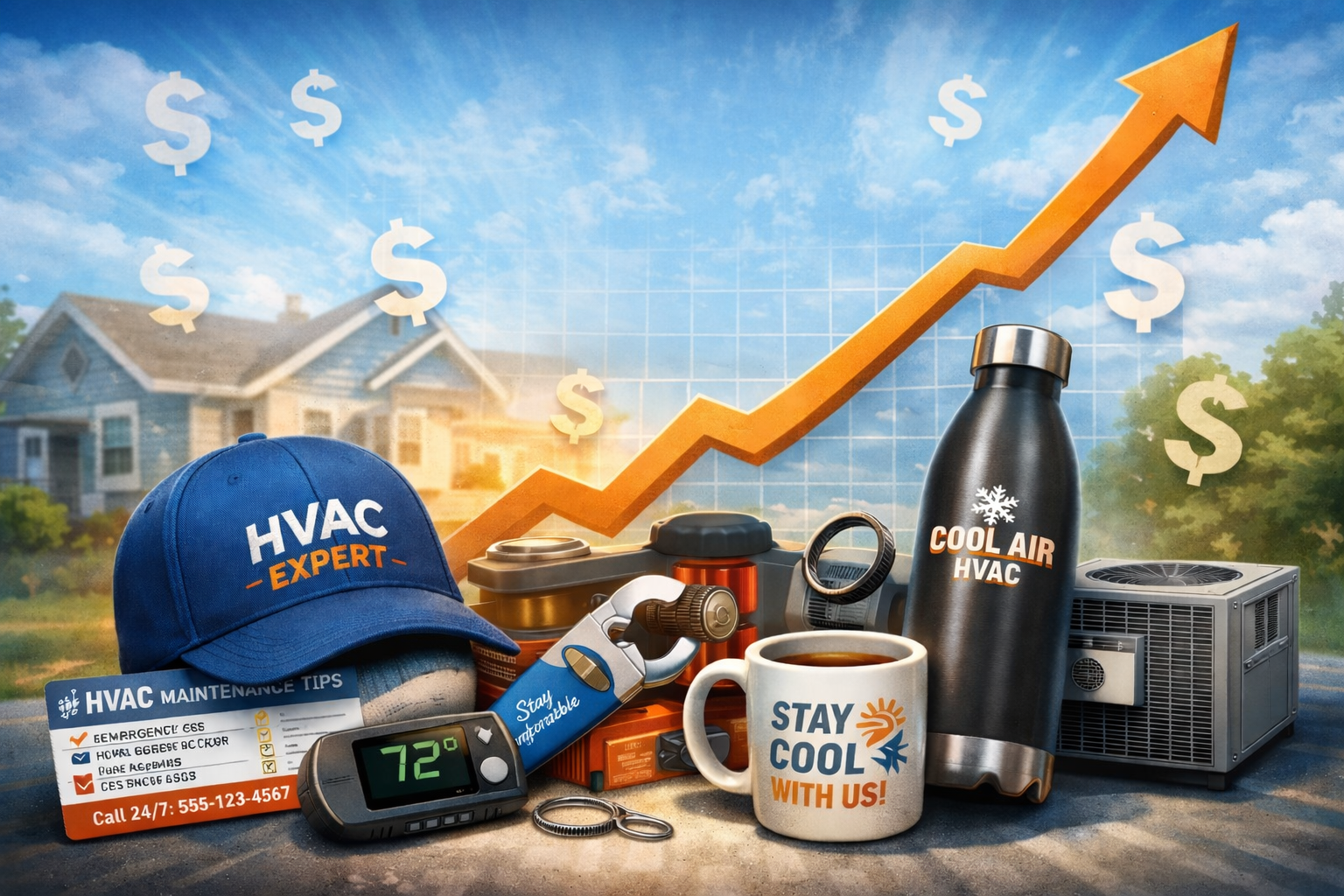
How HVAC Companies Can Use Promotional Products to Grow During a Slow Economy In times when budgets tighten and new leads are harder to come by, HVAC businesses need creative ways to stay top of mind with current and potential customers. Promotional products — when used strategically — can be a cost-effective marketing tool that strengthens brand awareness, boosts customer loyalty, and drives repeat business without draining your marketing budget. Here’s how HVAC contractors can get the most value from promotional products in a softer economy. 1. Take Stock of What You Already Have Before ordering new branded items, check your inventory. If you have leftover promotional gear from previous campaigns — things like branded pens, magnets, or reusable bags — consider repurposing them in upcoming promotions or customer appreciation efforts. Reusing existing stock helps stretch your budget further. 2. Choose Products That Reflect Your Brand and Audience Not all swag delivers equal value. For HVAC services target homeowners and property managers who value reliability and comfort. Useful items like branded thermometers, magnetic HVAC maintenance checklists, or quality reusable water bottles keep your logo visible and relevant all year long. Durable items increase daily use and repeated exposure, offering better long-term return on investment than throwaways. 3. Track Impact With Simple Metrics You can make promotional products measurable. Try adding QR codes that link to a special HVAC service offer or maintenance guide, or include promo codes redeemable for tune-up discounts. This lets you track how many leads and conversions came directly from your swag. 4. Prioritize Items With Practical Value In a competitive HVAC market, promotional products that get frequent use are especially powerful. Everyday tools like quality pens, calendars, or utility knives can keep your brand on a customer’s desk or keyring. Even branded magnets with your emergency contact number are practical and appreciated, especially during extreme weather months. 5. Buy Smart to Save Money Bulk ordering can significantly reduce per-item cost. If your business services multiple territories or branches, consider pooling orders with other teams or departments to benefit from economies of scale. Plan ahead to avoid rush fees and ensure timely delivery. 6. Design With Quality and Relevance in Mind Cheap giveaways may generate short-term attention but can diminish your brand’s professional image. Invest in quality items that people will want to keep and use. A well-designed HVAC branded item suggests reliability — just like your services. 7. Create Curated Brand Experiences Instead of handing out single items, assemble thoughtful care packages for specific audiences. For example: A winter readiness kit for homeowners that includes a door draft stopper, branded coffee mug, and maintenance coupon A property manager kit with office essentials and priority service contact details These curated bundles feel more valuable and strengthen emotional connection with your brand. 8. Partner for Co-Branded Opportunities Collaborate with complementary local businesses — like realty agencies or home improvement stores — to co-brand promotional products. Sharing costs and audiences can expand reach while keeping expenses down. 9. Use Promotional Products at Every Customer Touchpoint Give promotional products out at service calls, trade shows, community events, or when customers sign up for maintenance plans. These moments are opportunities to reinforce your brand and remind people that you’re the trusted HVAC partner they can count on. 10. Follow Up After Distribution Your job isn’t done when the item is handed out. Send a follow-up email or text message thanking customers for visiting your booth or for their business, and remind them how to redeem any special offers included with the promo item. This extra touch increases the likelihood of returning business. Final Thoughts  Even in a slower economy, promotional products remain a powerful way to nurture customer relationships, build brand recognition, and generate measurable business results. With thoughtful planning, tracking, and customer focus, HVAC companies can turn simple branded items into tools that help grow their business and stay ahead of the competition.
By Chris Smith April 18, 2026
How HVAC Businesses Can Streamline Social Media With Smart Publishing In today’s digital world, staying active on social media isn’t extra — it’s essential. For HVAC companies, regular social posts help you stay top-of-mind with local customers, share seasonal tips, promote service specials, and build trust in your community. But consistently creating and scheduling posts across Facebook, Instagram, LinkedIn, Google Business Profile, and more can quickly become overwhelming. That’s where automated social publishing tools come in. These systems take the guesswork and grunt work out of managing your HVAC social presence by planning, generating, and scheduling content for you — while keeping your brand voice consistent. Why HVAC Social Media Publishing Can Be Hard Most HVAC teams know the struggle: you start the week with good intentions, only to stare at a blank content calendar by Tuesday. Posting regularly across multiple platforms means: Creating new content ideas Customizing messages for each social platform Aligning posts with seasonal needs (think winter heating care or summer A/C checkups) Scheduling at times your audience will engage All of this is time-consuming — and that’s before you factor in approvals and edits. What Social Publishing Tools Do Modern social publishing systems automate the whole content cycle — from planning to posting. They: Generate ideas and posts AI and smart engines analyze industry trends, seasonal events, local needs, top-performing past posts, and competitors to suggest what you should post and when. Tailor content for HVAC audiences By learning your brand voice and service areas, these tools create posts that feel authentic — whether you’re promoting spring tune-ups, sharing energy-saving tips, or highlighting customer testimonials. Fill your calendar automatically Rather than starting from scratch each week, you get a filled content calendar with ready-to-publish posts that align with your goals and local HVAC needs. Handle multi-platform posting Good tools let you publish to Facebook, Instagram, LinkedIn, TikTok, and Google Business Profile all from one place. Support approvals and edits If you want oversight before anything goes live, built-in approval workflows make it easy for your marketing lead to review and adjust posts. Benefits for HVAC Companies Using a dedicated social publishing solution can transform how your HVAC business connects with customers: Save time Automated content generation and scheduling free your team to focus on service quality and customer communication rather than repetitive posting. Increase engagement Consistent posting paired with AI-recommended best posting times can help boost reach and interaction, bringing more eyes to promotions, maintenance tips, and seasonal reminders. Stay relevant locally Rather than generic national posts, these tools help craft messages that make sense for your specific service areas — a key advantage for local HVAC businesses trying to build regional authority. Grow your brand voice AI learns your style over time, producing content that sounds like you — not robotic or generic. Best Practices for HVAC Social Publishing Here are a few tips to get the most out of your social publishing system: Plan seasonal campaigns. Highlight preventative maintenance in spring and fall, energy-saving summer tips, emergency service readiness in winter, and any promotions you run. AI tools can help populate these into your calendar. Mix educational content with promotions. Balance service specials with helpful HVAC tips — like how to change filters or when to schedule a pre-winter check. AI tools often pull trend data to help you do this effectively. Review and customize. Automated uploads are great, but always glance at suggested posts to ensure they fit your brand and local audience. Track results. Use analytics to see which posts get the most engagement and let that guide future topics. Many social publishing tools include reporting dashboards. Conclusion  For HVAC businesses aiming to grow their online presence without spending hours each week on content creation, automated social publishing tools are a game changer. By generating on-brand, locally tailored posts and scheduling them at optimal times, these systems make social media management efficient and effective — helping you attract new leads and deepen engagement with your community.
By Chris Smith April 11, 2026
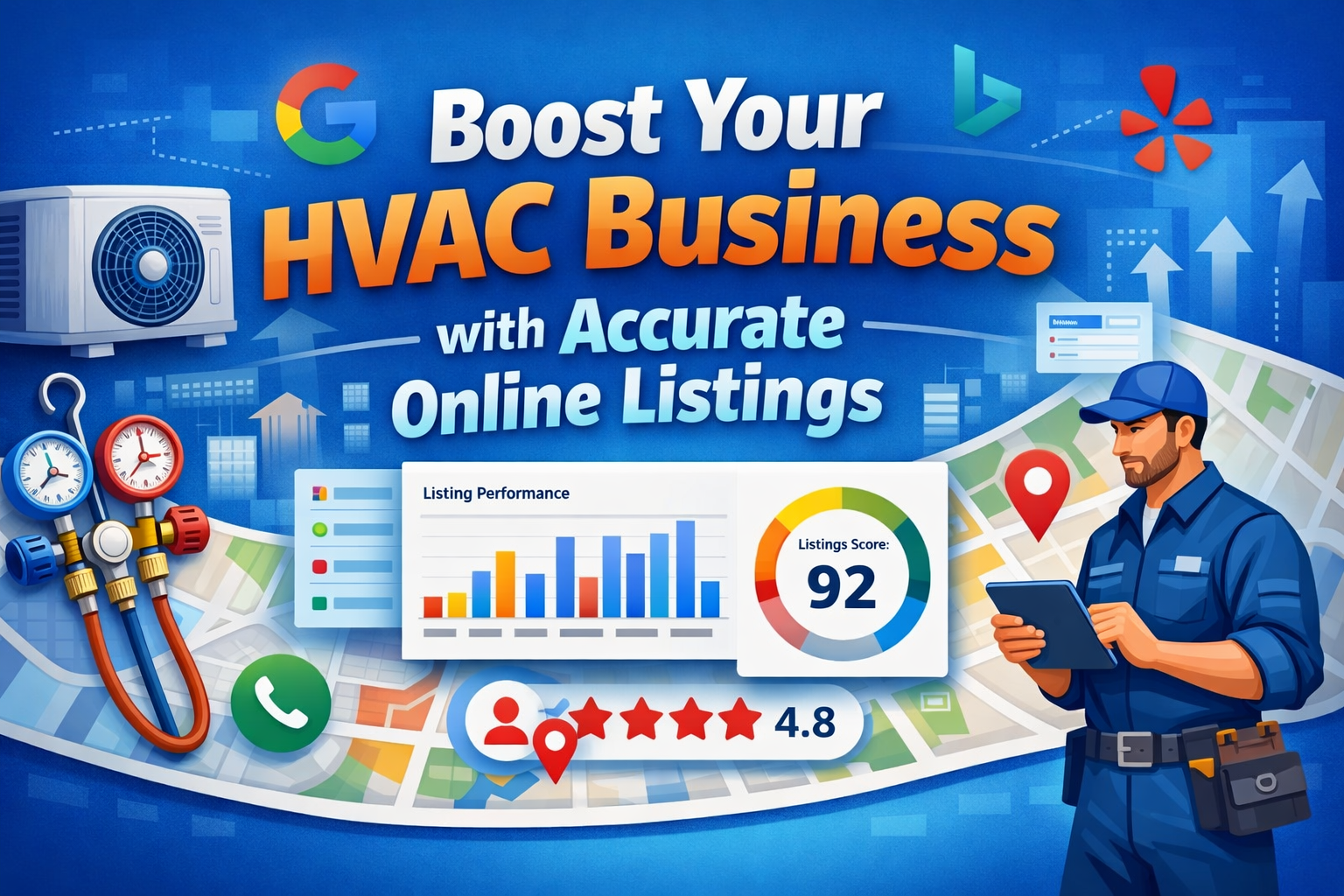
Why Accurate Online Listings Are a Game Changer for Your HVAC Business As an HVAC contractor, getting found online isn’t optional anymore — it’s essential. When homeowners search for “AC repair near me” or “furnace installation,” your business needs to show up with accurate, complete information across all the major directories to win that lead. One of the most impactful ways to improve your local visibility and attract more customers is through well-managed online listings and reporting. What Are Online Listings? Online listings are your business profiles across platforms like Google Business Profile, Apple Business Connect, Yelp, Bing Places and many industry-specific directories homeowners use to find HVAC services. These listings include your company name, address, phone number (NAP), hours, services offered and often customer reviews. Maintaining accurate listings helps you show up in local search results when potential clients are actively looking for HVAC help. Why HVAC Listings Matter More Than Ever Search engines use business listings to understand who you are and where you operate. Accurate, consistent listings across the web: Boost local SEO rankings because search engines trust consistent data. Connect customers quickly with up-to-date details like emergency service hours or new contact numbers. Increase credibility by showing reviews and complete business information. For HVAC contractors — where services are often urgent — listings can be the difference between a new job and a lost customer. The Power of Listings Reporting Simply having listings isn’t enough; you need to know how they perform. Listings reports help HVAC businesses analyze how customers find and interact with their profiles online. With reporting tools you can: Measure visibility and engagement like how many times your listings appeared and what actions users took (calls, clicks, directions). Check profile accuracy to ensure your hours, phone and services are correct everywhere. Track keyword rankings so you can optimize for HVAC-specific searches like “emergency AC repair” in your city. Compare performance over time to see what’s working and where to improve. This data allows you to make smarter decisions about where to invest your marketing efforts and how to optimize listings for more calls and bookings. Listings Score and Why It Matters Most reporting tools also give you a Listings Score, a snapshot of how strong your online presence is across platforms. A higher score means: More accurate information across directories Better local search rankings Higher trust from search engines and customers Improving your listings score over time should be part of your HVAC marketing strategy. Best Practices for HVAC Listings To get the most from your listings: Claim and verify your profiles on Google, Yelp, Apple and industry directories. Keep NAP consistent across all platforms — mismatches hurt your SEO. Use HVAC-specific keywords so your listings appear in relevant local searches. Encourage customer reviews and respond professionally. Monitor performance and update listings as your services or hours change. Conclusion  For HVAC companies looking to grow online and convert more local searches into real service calls, accurate and well-managed online listings are foundational. Combine them with regular performance reporting to track progress and continuously improve your visibility. That’s how you stay ahead in a competitive local market and make sure customers find your HVAC business first when they need help the most.