Navigating Seasonal Marketing Challenges in the HVAC Industry

Michele Smith • December 28, 2023

In the HVAC industry, the transition from warm conditions to freezing winter temperatures usually leads to a decline in service inquiries and installation requests. It’s just part of running an HVAC business. Chances are, the phone’s going to ring when it’s hot or cold, but not much in between. 


Even though you’re booking fewer appointments in the shifting seasons, you shouldn’t kick back and wait for the tides to turn. Instead, it’s time to turn proactive- and that means seizing the opportunities that off-season brings to the table. 


Good marketing never sleeps. A calculated shoulder-season marketing strategy can help you book more appointments in the fall and spring. Plus, it will put you way ahead of the competition when peak season rolls around. 


Ready to turn the heat up on your seasonal marketing strategy? Here’s how you can book appointments and keep revenue flowing throughout the year. 


Understanding Seasonal Trends  


First, let’s talk about what goes on in the HVAC industry by season. 


1. Peak Season  


When the mercury rises or plummets, the demand for HVAC services follows suit. Identifying peak seasons is essential for businesses looking to capitalize on heightened customer needs. 


If you live in a region with scorching summers or frigid winters, expect to see a substantial influx of calls. Heatwaves or cold snaps can lead to sudden breakdowns, prompting homeowners to seek emergency services. Once you understand these patterns, you’ll be better equipped to gear up for the inevitable uptick of service requests. 


2. Off-Peak Seasons  


As the seasons transition to milder temperatures, the HVAC industry faces a different set of challenges. The reduced demand for heating and cooling services can pose difficulties for businesses aiming to maintain a steady customer base. 


Rather than waiting for clients to reach out with urgent issues, consider taking a more proactive approach. For example, you can offer seasonal maintenance programs or discounts on system upgrades during quieter times to keep the customer pipeline flowing.   


Likewise, providing informative content on the importance of HVAC system maintenance and energy efficiency can engage customers even when they’re not actively seeking services. Blogs, newsletters, or social media posts can serve as gentle reminders, positioning your business as a reliable source of information. 


Challenges in Seasonal Marketing in the HVAC Industry  


The U.S. HVAC systems market size was valued at $17.15 billion in 2022 and is projected to grow at a rate of 6.5% between 2022 and 2030. 


Despite the statistics, the HVAC industry sees a ton of ebb and flow. Here are three core challenges that shape the landscape for seasonal marketing campaigns. 


Demand Peaks and Valleys  


One of the primary challenges faced by HVAC businesses is the rollercoaster of demand that comes with changing seasons. While summers and winters bring a surge of service requests, off-peak seasons witness a stiff dip in demand. It can be hard to manage cash flow and workforce during these swings. 


Budgetary Constraints During Off-Season  


Off-peak seasons often coincide with tighter budgets for consumers. Homeowners may be less inclined to invest in new HVAC systems or undergo extensive repairs when the weather is mild. 


With a reduced flow of service requests, businesses may face financial strain, making it essential to find cost-effective ways to stay afloat.   


While it may be tempting to cut back on marketing during off-seasons, strategic investments can pay off. Targeted digital marketing campaigns, promotions, and loyalty programs can help maintain brand visibility and attract customers even during slower periods. 


Adapting to Rapid Weather Changes  


Weather in the HVAC industry is a challenge for businesses trying to anticipate and respond to sudden temperature fluctuations. Unpredictable weather patterns, extreme temperature fluctuations, and sudden storms can impact service delivery and customer satisfaction. 


Developing comprehensive emergency preparedness plans ensures that HVAC businesses can respond swiftly to weather-related crises. This includes having a protocol for handling an influx of service requests during extreme weather events and ensuring that staff are adequately trained to address urgent situations. 


Strategic Approaches  


Now that we’re aware of the seasonal problems facing the HVAC industry, let’s dive into three key strategic approaches that can empower you to weather these variations and thrive in an ever-changing market. 


Targeted Seasonal Campaigns  


Crafting targeted seasonal marketing campaigns is a powerful way for HVAC businesses to connect with customers at the right time.


When companies understand the specific needs that arise with each season, they can tailor their marketing messages effectively. 


Develop marketing materials that resonate with the unique seasonal challenges customers face. Whether it’s promoting air conditioning services during scorching summers or emphasizing heating solutions during winter chill, personalized messaging enhances relevance and engagement. 


Anticipate peak seasons and initiate marketing efforts ahead of time to capture the attention of customers preparing for extreme weather conditions. This strategic timing can position your business as a proactive and reliable partner. 


Maintenance and Subscription Programs  


Introduce comprehensive maintenance plans that cover regular checks, system cleanings, and priority service. Promoting these plans as a year-round necessity helps maintain a consistent revenue flow. Plus, customers appreciate the peace of mind that comes with proactive maintenance. 


Furthermore, explore subscription-based models for HVAC services. Customers pay a regular fee for ongoing access to services, creating a predictable income stream for the business. Besides ensuring constant revenue, this approach also encourages customer loyalty. 


Diversification of Services  


Given the growing focus on sustainability, you might want to add energy audits and efficiency upgrades to your service portfolio. Market the business as a solution for clients looking to reduce their carbon footprint. 


You can also embrace the trend of smart homes by offering HVAC solutions that integrate seamlessly with smart technology. From programmable thermostats to interconnected heating and cooling systems, these smart HVAC solutions can cater to the evolving needs of modern customers. 


Digital Marketing Tactics  


With an increasing number of people searching for services online, it only makes sense for HVAC businesses to jump on the digital marketing bandwagon. Here’s how. 


Social Media Engagement  


Social media platforms let HVAC companies connect with existing and potential customers. In this regard, social media engagement goes beyond occasional posts- it involves building a reputable online presence and fostering meaningful connections. 


Share a mix of content, including informative articles, how-to guides, and seasonal tips on your social media. Diversified content keeps your audience engaged and establishes your business as an authority in the HVAC space. 


Also, actively engage with the audience through comments, messages, and polls. Consider running seasonal contests or giveaways to boost interaction. 


SEO Optimization  


Search Engine Optimization (SEO) is a cornerstone of digital marketing that directly influences how businesses appear in online search results. It’s your ticket to making sure your company is easily discoverable by clients seeking your services. 


Because HVAC services are location-specific, prioritize local SEO. Check if your business information, name, address, and phone number are consistent across all platforms. 


Identify relevant keywords related to your HVAC services and incorporate them naturally into website content. This enhances the website’s visibility when potential customers search for specific services or solutions. 


Finally, update your website with high-quality, educational content regularly. Blog posts, service pages, and FAQs contribute to a robust online presence and positively impact search rankings. 


Email Marketing Campaigns  


Use email campaigns to announce seasonal promotions, discounts, or special offers. Timely emails can prompt customers to schedule maintenance services before extreme weather hits, maximizing business during peak seasons. 


You can also send out informative newsletters that educate customers about HVAC system maintenance, energy efficiency tips, and industry trends. Position the business as a valuable source of knowledge to foster trust and loyalty. 


Customer Retention Strategies  


Acquiring new clients is one thing, but keeping them is a different ball game. We’ve shared two essential customer retention strategies to keep your clients happy and invested in your brand. 


Loyalty Programs  


Loyalty programs are a tried-and-true method to incentivize repeat business and reward customers for their continued trust. Implement points-based loyalty programs where customers can earn points for each service or purchase. They can redeem the accumulated points for discounts, free services, or exclusive perks.


Encourage existing customers to refer friends, family, or colleagues by incorporating referral rewards into the loyalty program. This not only expands the customer base but also enhances the sense of community around your brand. 


Educational Content  


Educational content serves as a valuable retention tool by establishing your company as an authority in the industry. Regularly publish blog posts and articles on your website covering topics such as maintenance tips, energy efficiency, and seasonal HVAC considerations.


Create how-to guides and tutorials in various formats, including videos and infographics. Finally, utilize email newsletters to share educational content directly with your customer base. 


Measurement and Adaptation  


It’s not enough to just implement a seasonal marketing strategy for your HVAC business. You also need to measure results and alter the process as you go. 


Analytics and Metrics  


Regularly analyze website traffic, user behavior, and conversion rates. Identify popular pages, assess the effectiveness of calls-to-action, and use this data to enhance the user experience and drive desired actions. 


Implement customer satisfaction surveys to gather feedback on services, responsiveness, and overall experience. Analyzing survey results provides valuable insights into areas for improvement and highlights strengths that can be leveraged in marketing efforts. 


Flexibility in Planning  


Stay attuned to real-time data and market trends. If certain marketing channels or strategies prove more successful than anticipated, be ready to reallocate resources to capitalize on those opportunities. 


Adopt an agile approach to marketing by breaking down long-term plans into shorter, more flexible cycles. This enables businesses to adjust strategies based on evolving customer needs, industry trends, and competitive landscapes. 


Additionally, anticipate potential challenges and devise contingency plans. Having predefined response plans allows for a more composed and effective reaction. 


The Bottom Line  


You need more than technical expertise to thrive in the HVAC industry. Hopefully, this post has given you some insight into how to navigate seasonal challenges to keep your business running as usual. Get ready to turn obstacles into opportunities! 


Stressed about promoting your HVAC company? Let All Contractor Marketing® take care of your seasonal campaigns! Contact us today to embark on a journey of growth, visibility, and unparalleled success, no matter the weather outside.
By Chris Smith April 25, 2026
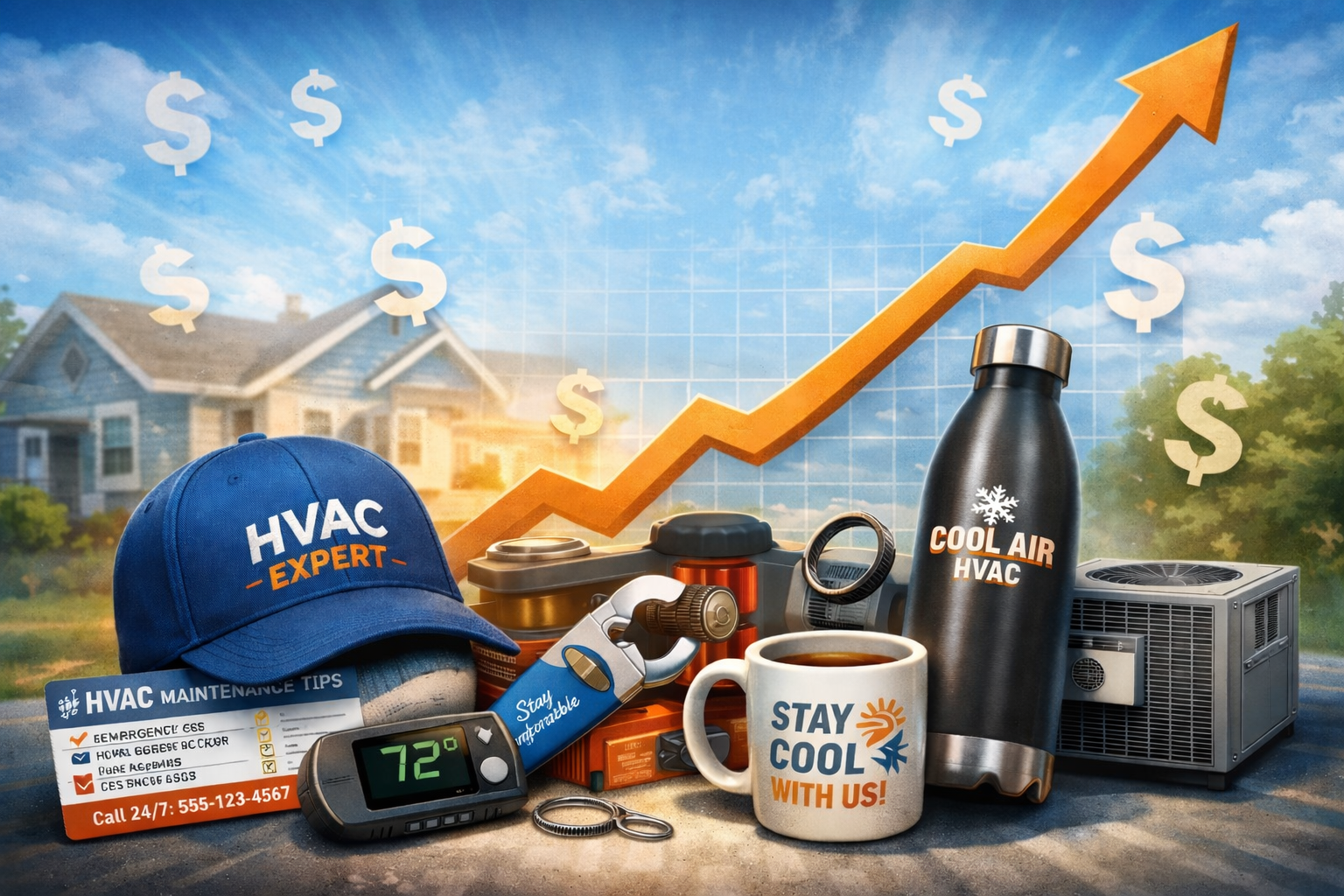
How HVAC Companies Can Use Promotional Products to Grow During a Slow Economy In times when budgets tighten and new leads are harder to come by, HVAC businesses need creative ways to stay top of mind with current and potential customers. Promotional products — when used strategically — can be a cost-effective marketing tool that strengthens brand awareness, boosts customer loyalty, and drives repeat business without draining your marketing budget. Here’s how HVAC contractors can get the most value from promotional products in a softer economy. 1. Take Stock of What You Already Have Before ordering new branded items, check your inventory. If you have leftover promotional gear from previous campaigns — things like branded pens, magnets, or reusable bags — consider repurposing them in upcoming promotions or customer appreciation efforts. Reusing existing stock helps stretch your budget further. 2. Choose Products That Reflect Your Brand and Audience Not all swag delivers equal value. For HVAC services target homeowners and property managers who value reliability and comfort. Useful items like branded thermometers, magnetic HVAC maintenance checklists, or quality reusable water bottles keep your logo visible and relevant all year long. Durable items increase daily use and repeated exposure, offering better long-term return on investment than throwaways. 3. Track Impact With Simple Metrics You can make promotional products measurable. Try adding QR codes that link to a special HVAC service offer or maintenance guide, or include promo codes redeemable for tune-up discounts. This lets you track how many leads and conversions came directly from your swag. 4. Prioritize Items With Practical Value In a competitive HVAC market, promotional products that get frequent use are especially powerful. Everyday tools like quality pens, calendars, or utility knives can keep your brand on a customer’s desk or keyring. Even branded magnets with your emergency contact number are practical and appreciated, especially during extreme weather months. 5. Buy Smart to Save Money Bulk ordering can significantly reduce per-item cost. If your business services multiple territories or branches, consider pooling orders with other teams or departments to benefit from economies of scale. Plan ahead to avoid rush fees and ensure timely delivery. 6. Design With Quality and Relevance in Mind Cheap giveaways may generate short-term attention but can diminish your brand’s professional image. Invest in quality items that people will want to keep and use. A well-designed HVAC branded item suggests reliability — just like your services. 7. Create Curated Brand Experiences Instead of handing out single items, assemble thoughtful care packages for specific audiences. For example: A winter readiness kit for homeowners that includes a door draft stopper, branded coffee mug, and maintenance coupon A property manager kit with office essentials and priority service contact details These curated bundles feel more valuable and strengthen emotional connection with your brand. 8. Partner for Co-Branded Opportunities Collaborate with complementary local businesses — like realty agencies or home improvement stores — to co-brand promotional products. Sharing costs and audiences can expand reach while keeping expenses down. 9. Use Promotional Products at Every Customer Touchpoint Give promotional products out at service calls, trade shows, community events, or when customers sign up for maintenance plans. These moments are opportunities to reinforce your brand and remind people that you’re the trusted HVAC partner they can count on. 10. Follow Up After Distribution Your job isn’t done when the item is handed out. Send a follow-up email or text message thanking customers for visiting your booth or for their business, and remind them how to redeem any special offers included with the promo item. This extra touch increases the likelihood of returning business. Final Thoughts  Even in a slower economy, promotional products remain a powerful way to nurture customer relationships, build brand recognition, and generate measurable business results. With thoughtful planning, tracking, and customer focus, HVAC companies can turn simple branded items into tools that help grow their business and stay ahead of the competition.
By Chris Smith April 18, 2026
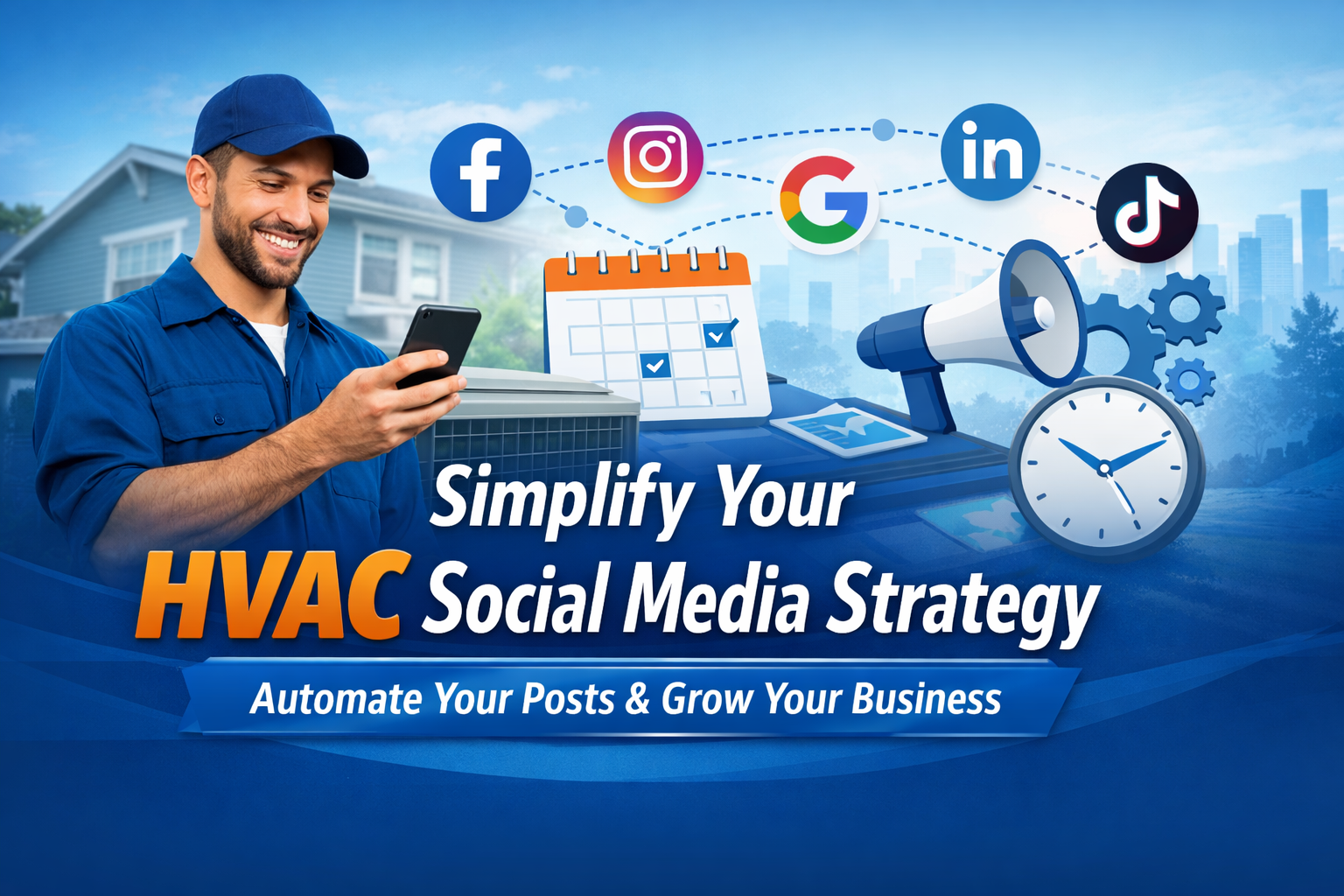
How HVAC Businesses Can Streamline Social Media With Smart Publishing In today’s digital world, staying active on social media isn’t extra — it’s essential. For HVAC companies, regular social posts help you stay top-of-mind with local customers, share seasonal tips, promote service specials, and build trust in your community. But consistently creating and scheduling posts across Facebook, Instagram, LinkedIn, Google Business Profile, and more can quickly become overwhelming. That’s where automated social publishing tools come in. These systems take the guesswork and grunt work out of managing your HVAC social presence by planning, generating, and scheduling content for you — while keeping your brand voice consistent. Why HVAC Social Media Publishing Can Be Hard Most HVAC teams know the struggle: you start the week with good intentions, only to stare at a blank content calendar by Tuesday. Posting regularly across multiple platforms means: Creating new content ideas Customizing messages for each social platform Aligning posts with seasonal needs (think winter heating care or summer A/C checkups) Scheduling at times your audience will engage All of this is time-consuming — and that’s before you factor in approvals and edits. What Social Publishing Tools Do Modern social publishing systems automate the whole content cycle — from planning to posting. They: Generate ideas and posts AI and smart engines analyze industry trends, seasonal events, local needs, top-performing past posts, and competitors to suggest what you should post and when. Tailor content for HVAC audiences By learning your brand voice and service areas, these tools create posts that feel authentic — whether you’re promoting spring tune-ups, sharing energy-saving tips, or highlighting customer testimonials. Fill your calendar automatically Rather than starting from scratch each week, you get a filled content calendar with ready-to-publish posts that align with your goals and local HVAC needs. Handle multi-platform posting Good tools let you publish to Facebook, Instagram, LinkedIn, TikTok, and Google Business Profile all from one place. Support approvals and edits If you want oversight before anything goes live, built-in approval workflows make it easy for your marketing lead to review and adjust posts. Benefits for HVAC Companies Using a dedicated social publishing solution can transform how your HVAC business connects with customers: Save time Automated content generation and scheduling free your team to focus on service quality and customer communication rather than repetitive posting. Increase engagement Consistent posting paired with AI-recommended best posting times can help boost reach and interaction, bringing more eyes to promotions, maintenance tips, and seasonal reminders. Stay relevant locally Rather than generic national posts, these tools help craft messages that make sense for your specific service areas — a key advantage for local HVAC businesses trying to build regional authority. Grow your brand voice AI learns your style over time, producing content that sounds like you — not robotic or generic. Best Practices for HVAC Social Publishing Here are a few tips to get the most out of your social publishing system: Plan seasonal campaigns. Highlight preventative maintenance in spring and fall, energy-saving summer tips, emergency service readiness in winter, and any promotions you run. AI tools can help populate these into your calendar. Mix educational content with promotions. Balance service specials with helpful HVAC tips — like how to change filters or when to schedule a pre-winter check. AI tools often pull trend data to help you do this effectively. Review and customize. Automated uploads are great, but always glance at suggested posts to ensure they fit your brand and local audience. Track results. Use analytics to see which posts get the most engagement and let that guide future topics. Many social publishing tools include reporting dashboards. Conclusion  For HVAC businesses aiming to grow their online presence without spending hours each week on content creation, automated social publishing tools are a game changer. By generating on-brand, locally tailored posts and scheduling them at optimal times, these systems make social media management efficient and effective — helping you attract new leads and deepen engagement with your community.
By Chris Smith April 11, 2026
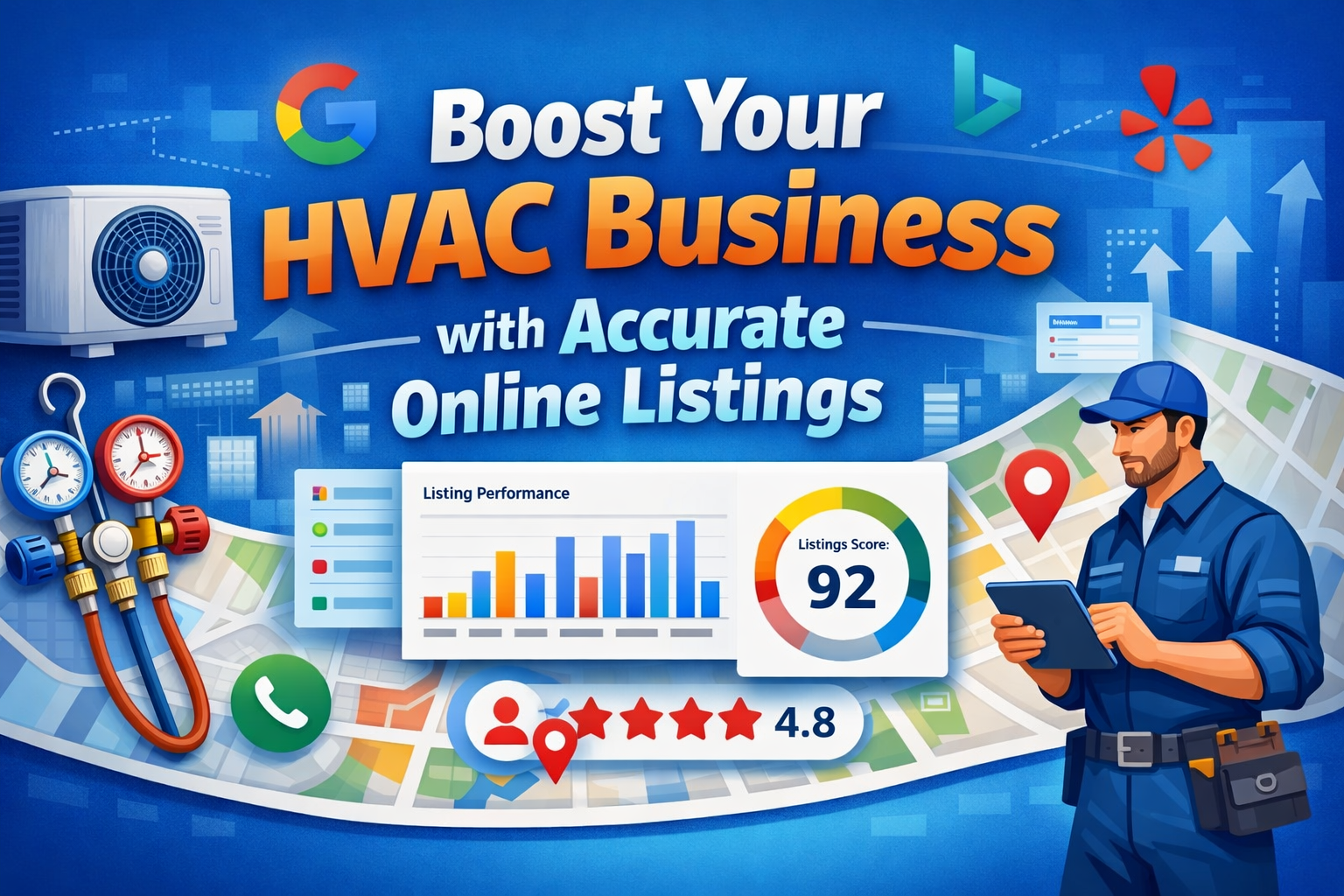
Why Accurate Online Listings Are a Game Changer for Your HVAC Business As an HVAC contractor, getting found online isn’t optional anymore — it’s essential. When homeowners search for “AC repair near me” or “furnace installation,” your business needs to show up with accurate, complete information across all the major directories to win that lead. One of the most impactful ways to improve your local visibility and attract more customers is through well-managed online listings and reporting. What Are Online Listings? Online listings are your business profiles across platforms like Google Business Profile, Apple Business Connect, Yelp, Bing Places and many industry-specific directories homeowners use to find HVAC services. These listings include your company name, address, phone number (NAP), hours, services offered and often customer reviews. Maintaining accurate listings helps you show up in local search results when potential clients are actively looking for HVAC help. Why HVAC Listings Matter More Than Ever Search engines use business listings to understand who you are and where you operate. Accurate, consistent listings across the web: Boost local SEO rankings because search engines trust consistent data. Connect customers quickly with up-to-date details like emergency service hours or new contact numbers. Increase credibility by showing reviews and complete business information. For HVAC contractors — where services are often urgent — listings can be the difference between a new job and a lost customer. The Power of Listings Reporting Simply having listings isn’t enough; you need to know how they perform. Listings reports help HVAC businesses analyze how customers find and interact with their profiles online. With reporting tools you can: Measure visibility and engagement like how many times your listings appeared and what actions users took (calls, clicks, directions). Check profile accuracy to ensure your hours, phone and services are correct everywhere. Track keyword rankings so you can optimize for HVAC-specific searches like “emergency AC repair” in your city. Compare performance over time to see what’s working and where to improve. This data allows you to make smarter decisions about where to invest your marketing efforts and how to optimize listings for more calls and bookings. Listings Score and Why It Matters Most reporting tools also give you a Listings Score, a snapshot of how strong your online presence is across platforms. A higher score means: More accurate information across directories Better local search rankings Higher trust from search engines and customers Improving your listings score over time should be part of your HVAC marketing strategy. Best Practices for HVAC Listings To get the most from your listings: Claim and verify your profiles on Google, Yelp, Apple and industry directories. Keep NAP consistent across all platforms — mismatches hurt your SEO. Use HVAC-specific keywords so your listings appear in relevant local searches. Encourage customer reviews and respond professionally. Monitor performance and update listings as your services or hours change. Conclusion  For HVAC companies looking to grow online and convert more local searches into real service calls, accurate and well-managed online listings are foundational. Combine them with regular performance reporting to track progress and continuously improve your visibility. That’s how you stay ahead in a competitive local market and make sure customers find your HVAC business first when they need help the most.