What Is AI SEO? An HVAC Marketing Expert’s Guide for Contractors

Chris Smith • May 12, 2025

What Is AI SEO? 

A man is holding a magnifying glass over a search bar

How HVAC Contractors Can Use AI SEO to Grow Leads


The HVAC industry is more competitive than ever. With so many contractors fighting for the top spots in Google search results, it’s no longer enough to rely on old-school marketing tactics or word of mouth. Today, the companies winning online are those embracing new technology—and one of the most powerful tools available is AI SEO.


In this article, we’ll explain what AI SEO is, why it matters for heating and air companies, and how you can use it to drive more qualified leads in your local market.


What Is AI SEO?


AI SEO stands for Artificial Intelligence Search Engine Optimization. Simply put, it means using smart technology and machine learning to help your website rank higher in search engines like Google, Yahoo, Bing, etc.


Unlike traditional SEO, which requires hours of manual work—like keyword research, content writing, and site audits—AI SEO uses intelligent software to automate much of this process. It can analyze thousands of data points to find exactly what your prospects are searching for, recommend how to improve your website, and even predict which updates will help you outrank local competitors.


For HVAC contractors, this is a major advantage. AI SEO helps you show up when homeowners search for services such as:


  • “AC repair near me”
  • “furnace installation in [your city]”
  • “emergency HVAC service”


By targeting the right keywords and optimizing your website faster and more accurately, you can capture more of this high-intent traffic.


How AI SEO Is Transforming HVAC Marketing

Here are a few ways AI SEO is changing the game for heating and air companies:


1. Smarter Keyword Targeting


Traditional keyword research can be time-consuming. AI-powered tools quickly analyze which search terms are trending in your area and which keywords drive the most leads. This means you don’t have to guess what your customers are typing into Google—AI does the heavy lifting for you.


2. Content Optimization


Even if you have a beautiful website, Google won’t rank it if your content doesn’t match what customers want. AI SEO tools can scan the top-ranking HVAC websites and suggest exactly how to improve your service pages, blog posts, and landing pages. This might include recommendations on word count, topics to cover, and how to improve readability.


3. Local SEO Automation


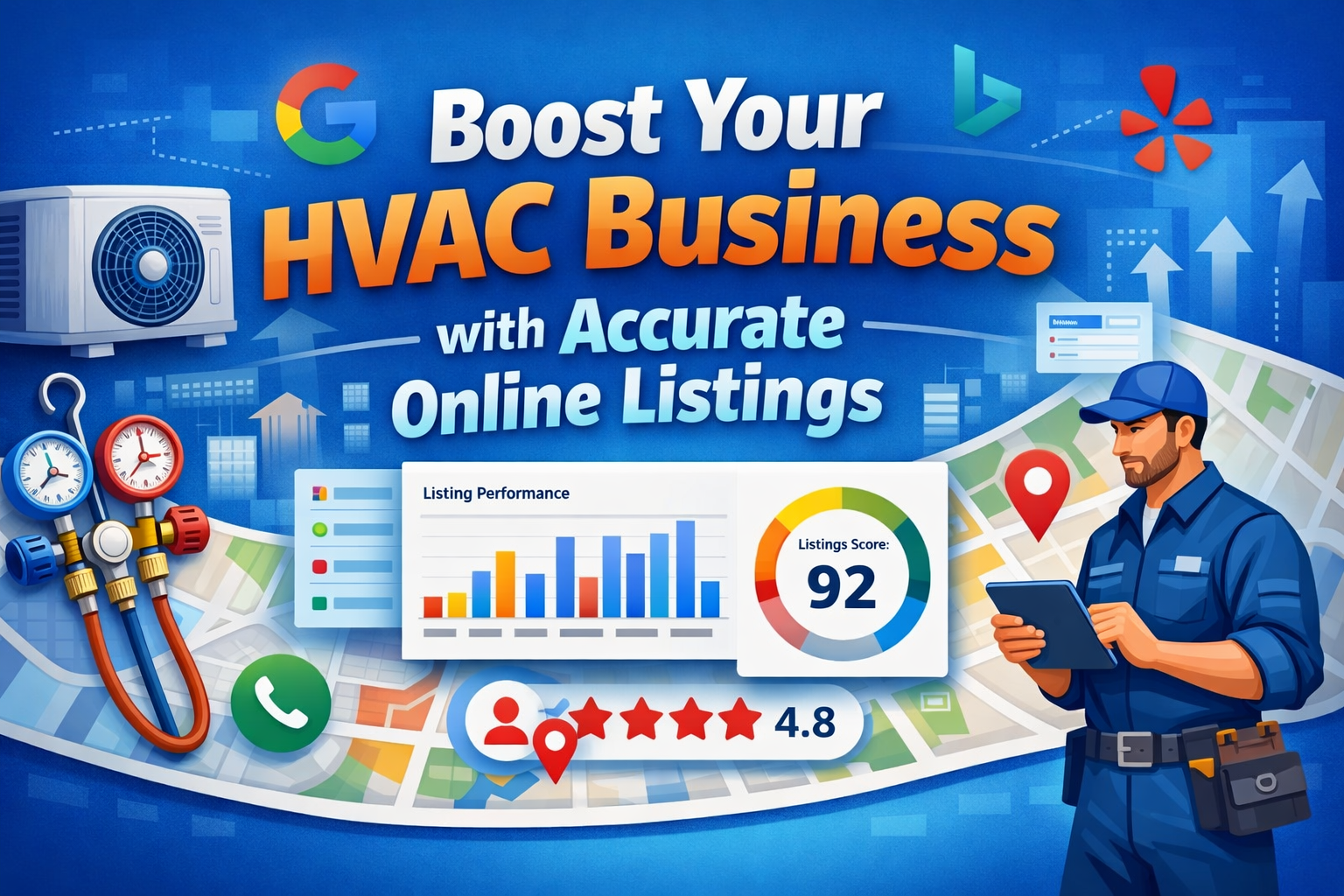
For HVAC companies, showing up in the local map pack is critical. AI SEO can help optimize your Google Business Profile, build citations, and manage reviews automatically—so you appear in more local searches.


4. Technical SEO Made Easy


AI crawlers can scan your site for technical issues, like slow load times, broken links, or missing meta tags, and prioritize fixes that have the biggest impact on rankings.


5. Predictive Insights


One of the most powerful benefits of AI SEO is its ability to predict which pages are losing visibility and which keywords could drive more leads. Instead of reacting after your rankings drop, you can stay ahead of the curve.


Benefits of AI SEO for HVAC Contractors


If you’re wondering whether AI SEO is worth the investment, here are a few reasons HVAC businesses are adopting it:


  • Save Time: Automate tasks that used to take hours, freeing your team to focus on service and sales.
  • Outrank Competitors: Stay ahead in Google’s search results and dominate your local area.
  • Drive More Leads: Target high-intent keywords that bring in homeowners ready to book.
  • Improve ROI: Get more value from your marketing budget by focusing on what works.
  • Adapt Quickly: Search engine algorithms change constantly—AI SEO helps you keep pace.


Here’s how HVAC companies can start leveraging AI SEO today:


Audit Your Website

  • Evaluate your current rankings, keyword performance, and any technical issues.


Choose the Right Tools

  • Platforms like aHrefs  can help keyword research and content optimization. If you work with a marketing partner like All Contractor Marketing, we handle this tool for you.


Optimize Your Google Business Profile

  • Make sure your local listings are complete and up to date, and use AI tools to monitor reviews and track local visibility.


Create Relevant Content

  • Use AI recommendations to write service pages and blog posts that address common customer questions, such as “Why is my AC blowing warm air?” or “How often should I change my furnace filter?”


Measure and Improve

  • Track results over time and adjust your strategy to stay on top of search trends in your market.


AI SEO isn’t just a buzzword—it’s the future of how HVAC contractors get found online. Whether you’re a small business or an established company, adopting AI SEO strategies can help you generate more leads, close more jobs, and build a stronger brand presence.


If you’d like to learn more about how All Contractor Marketing® uses AI SEO to help HVAC companies grow, contact us today. Our team can help you put these tools to work so you can focus on what you do best: serving your customers.

By Chris Smith February 21, 2026
Make Your HVAC Website Work Harder for Your Business Your HVAC company’s website shouldn’t just exist online. It should act like a 24/7 salesperson that answers questions, builds trust, and drives more booked jobs and service calls. Too many HVAC websites quietly lose potential customers every day because of simple issues that are easy to fix. Here are five practical improvements you can make to turn your website into a lead-generation engine. 1. Make It Simple for Customers to Contact You One of the biggest reasons visitors leave a website without reaching out is that they can’t find contact information quickly. HVAC service needs are often urgent — whether someone’s AC is down in the middle of summer or their furnace stops working in winter. How to fix: Put your phone number in a prominent spot at the top of every page. Ensure the number is clickable on phones so people can call instantly. Consider adding a sticky call bar that stays visible while users scroll. Result: More immediate calls from customers ready to book service. 2. Highlight Proof of Your Work and Customer Satisfaction People trust what they can see. Instead of just telling visitors you’re great at HVAC, show them real results. How to fix: Display recent customer reviews and testimonials on your homepage. Include before-and-after photos of installations, repairs, and maintenance work. Add short video clips from satisfied customers or your team explaining services. Result: Increased confidence that you’re a reputable HVAC provider — before a visitor ever picks up the phone. 3. Speed Up Page Loading and Improve Performance Website speed directly affects user behavior. If your pages take too long to load, visitors won’t wait around — especially when they’re dealing with a broken HVAC system. How to fix: Compress and optimize images used on your site. Choose reliable web hosting. Remove heavy scripts, unnecessary animations, or large pop-ups that slow down loading. Result: Faster load times that keep visitors engaged and more likely to convert. 4. Add a Simple Quote or Booking Form Not everyone wants to call right away. Some potential customers prefer to submit a request online, especially if they’re just shopping around or comparing HVAC service rates. How to fix: Place a clear “Request a Quote” or “Schedule Service” form on your homepage. Keep the form short and easy to complete. Send automated confirmations so prospects know their request was received. Result: You capture leads you might have otherwise missed — especially from people who prefer digital contact first. 5. Clearly List the Areas You Serve If visitors can’t tell whether you work in their city or community, they’ll look elsewhere — and search engines treat location signals as a ranking factor too. How to fix: Create a dedicated service area page on your website. Include your main cities or towns right on your homepage and footer. Make sure your contact information and Google Business Profile match these same areas. Result: Improved visibility in local search and more targeted calls from customers near you. Final Thoughts  Every traffic visit to your website is a potential HVAC lead. With a few strategic updates focused on user experience, trust building, and ease of contact, your site can stop losing customers and start bringing in more calls and bookings. Even small improvements can have a big impact on your lead flow and revenue.
By Chris Smith February 14, 2026
Answer Engine Optimization for HVAC Contractors: How to Get Found in AI Search in 2026 The way people search for HVAC services is changing fast. Today’s homeowners aren’t just typing keywords into Google — they’re asking conversational questions like “How often should I service my AC?” or “Best furnace repair near me” through voice assistants and AI tools. To meet this shift, HVAC businesses need a strategy that goes beyond traditional SEO. That’s where Answer Engine Optimization (AEO) comes in. What Is Answer Engine Optimization (AEO)? AEO is the practice of shaping your online content so that AI systems and voice search tools can easily understand, interpret, and present it as a direct answer to user queries. Unlike standard SEO — which focuses on ranking pages in search engine result lists — AEO is about becoming the answer that AI assistants and answer boxes pull when a homeowner asks a question. For HVAC businesses, this means structuring content to clearly answer common questions like: “Why is my air conditioner freezing up?” “What size HVAC system do I need for a 2000 sq ft home?” “How much does furnace installation cost in 2026?” When content directly answers these types of queries, AI search tools like Google’s AI Overviews, Siri, Alexa, or ChatGPT are more likely to surface your business as a recommended solution. Why AEO Matters for HVAC Businesses The digital landscape is shifting toward zero-click answers and conversational search. That means many users get the solutions they need without clicking through to a website. For HVAC contractors, this shift presents both a challenge and an opportunity: Be the first answer consumers see If your content is formatted for AI interpretation, you can show up in featured snippets, voice answers, and direct responses — often before traditional search rankings. Reach customers with high purchase intent Homeowners asking specific HVAC questions are likely closer to booking a service or purchasing a system. Answering their questions clearly improves the chance they choose your business. Build trust and authority Providing accurate, helpful answers positions your HVAC brand as a knowledgeable professional in your market. AEO vs Traditional SEO Traditional SEO Ranks pages based on keywords and links Focused on search results pages Metrics like clicks and traffic matter Good for general discovery Answer Engine Optimization Gets quoted as the direct answer by AI and voice tools Focused on featured snippets and conversational results Visibility in AI answers and voice search ranking Great for specific homeowner questions In short, SEO helps your website appear higher in listings. AEO helps your business be the answer customers see first. How HVAC Companies Can Optimize for AEO Here are practical steps HVAC businesses can take today to improve their Answer Engine Optimization: 1) Talk like real people Answer engines favor conversational language because it matches how users ask questions. Write in the way someone would speak aloud (“How often should I change my HVAC filter?”) rather than just targeting short keywords. 2) Use clear headings and question-based content Structure your pages with question formats (e.g., What causes an AC to leak water?), followed by concise, direct answers. This layout helps AI systems pick out the answer quickly. 3) Add FAQ and HowTo schema Schema markup gives search engines and AI tools explicit clues about your content. Adding FAQ schema to your FAQ pages or HowTo schema to instructional posts makes your content more machine-readable and increases the chances of appearing in featured answers. 4) Focus on voice search queries Voice search queries tend to be longer and more specific. Optimize content to match these longer, natural sentences. For example: “What is the average lifespan of a heat pump?” rather than just “heat pump lifespan.” 5) Track and update performance Unlike SEO where rankings are well defined, AEO success is measured by being shown in AI answers, voice responses, and rich results. Regularly review your performance on these fronts and refine based on what questions your customers ask most. Conclusion Answer Engine Optimization is quickly becoming essential for HVAC companies that want to stay competitive in an AI-driven search world. By aligning your content with how modern users phrase questions and how AI tools interpret answers, you can become the go-to source for homeowners seeking HVAC expertise online.  Being the answer — not just another link — builds trust, improves visibility, and ultimately drives more high-intent leads to your business.
By Chris Smith February 7, 2026
How HVAC Companies Can Dominate Google Maps In today’s digital world, homeowners searching for heating, ventilation, and air conditioning services almost always start with a location-based search like “HVAC near me” or “AC repair in [city].” If your company isn’t showing up in those critical Google Maps results, you’re losing calls, leads, and revenue to competitors. Google Maps SEO isn’t just about being listed — it’s about ranking near the top of the map results so potential customers see your business first. Here’s how HVAC contractors can make that happen in 2026. Why Google Maps Matters for HVAC Businesses Google Maps isn’t just a navigation tool — it’s a discovery engine for local services. When someone searches for HVAC help in your area, the local “map pack” (the top three businesses that appear with a map) gets the majority of the clicks. Appearing there means more phone calls, direction requests, and inquiries — often from homeowners ready to buy or book a service now. A properly optimized Google presence can dramatically increase leads without ongoing ad spend, making local SEO one of the most cost-effective marketing investments for HVAC companies large and small. Key Strategies for HVAC Google Maps SEO Success 1. Claim and Complete Your Google Business Profile Your Google Business Profile (formerly Google My Business) is the foundation of Maps SEO. Ensure you’ve: • Claimed your listing • Verified ownership • Completed every field accurately — name, address, phone, hours, services offered, and business description This helps Google understand exactly what you do and when you operate, increasing your chance of showing up for relevant searches. 2. Use Service-Specific Keywords In your business description and services section, include phrases that reflect real HVAC search queries like: • “AC repair in [City]” • “Furnace installation near me” • “Emergency HVAC services” These help Google match your profile to homeowner search intent. 3. Keep Your Info Consistent Everywhere Google uses your Name, Address, and Phone (NAP) data to verify your business. Inconsistent listings across directories can confuse search engines and hurt rankings. Make sure your contact info is identical everywhere online — including your website, local directories, and social profiles. 4. Collect More Google Reviews Reviews influence both your ranking and whether homeowners choose your business. Encourage customers after service calls to leave honest feedback, and always respond — especially to negative reviews. A higher volume of recent reviews shows activity and trustworthiness to Google and future customers alike. 5. Add Quality Photos and Updates Adding real photos of your team, trucks, completed jobs, and office space makes your listing more engaging and credible. Regular posts or updates about discounts, seasonal tune-ups, or promotions also signal to Google that your business is active and relevant. 6. Use Local Landing Pages on Your Website Link your Google Business Profile to local landing pages on your website that target your service areas. For example, “HVAC Services in Marietta, GA” pages can reinforce location signals and improve visibility for nearby searches. 7. Monitor Performance and Adjust Track key metrics such as: • How often you appear in searches • Clicks to your website • Calls from Google Maps • Review trends This data helps you refine your local SEO strategy over time and double down on what’s working. Final Thoughts Ranking high on Google Maps isn’t optional for HVAC companies in 2026 — it’s essential. With strategic optimization of your Google Business Profile, consistent listings, targeted keywords, and active reputation management, your company can attract more local customers and grow service calls month after month.  Local search performance builds over time, so start now — and make sure potential customers find you first.