How Search Generative Experience (SGE) Shapes the Success of HVAC Companies?

Chris Smith • May 15, 2024

If you’re in the HVAC business, being easily found online is non-negotiable. Most people start their search for services on the internet, and if they can’t find your website, you’re missing out on potential business.


That’s where SEO for HVAC companies comes into play.


SEO is all about making your website more visible on search engines like Google. It involves using the right keywords, optimizing your website’s structure, and creating valuable content that matches what potential customers are searching for.


But being found is only half the battle. Once people land on your website, the user experience (UX) helps determine whether they enjoy their visit. A great UX means your site is user-friendly, loads quickly, and provides easily accessible information.


As search tech evolves, a new concept called Search Generative Experience (SGE) is gaining traction. SGE builds on SEO and UX to improve how users interact with search engines and websites. 


Let’s look into what Google SGE is and why it’s a big deal for your HVAC business.


What is Search Generative Experience? 


Launched in November 2023, Google’s Search Generative Experience (SGE) uses AI to transform how search results are delivered.

Instead of a list of links, SGE provides AI-powered Snapshots—direct responses to queries with detailed information, along with links to three relevant online sources.


Picture this: you’re looking for a quick fix to a common air conditioner issue. Instead of searching and getting a bunch of links you have to sift through, the search engine generates a summary of directly relevant information based on your query. That’s SGE in action- it improves your search experience with direct answers or overviews.


The magic behind SGE is its generative AI algorithms. They analyze large amounts of data and use it to figure out the best, most relevant answers tailored to your question. This way, you get useful information quickly, without the hassle of digging through irrelevant links.


How Does SGE Impact HVAC Companies? 


Now that you understand the basics of SGE, let’s break down what it means for HVAC companies like yours. 


Potential Benefits: 


1. Increased Online Visibility: 


Think of SGE as your online megaphone. It boosts how often your website appears when potential customers search for HVAC services. Because SGE is all about providing direct answers, your company’s solutions could be right at the top, making it easier for clients to click through to your site. 


2. Enhanced Customer Acquisition: 


Once a potential customer types something like ‘how to fix my AC,’ and your company’s expert advice appears first, it creates a direct path to your services. Direct and relevant responses can lead to faster customer acquisition since you’re providing answers that potential customers need, right when they need them. 


3. Improved Brand Reputation: 


SGE helps polish your reputation by making sure that the answers coming from your site are useful and on point. When your company provides quick, reliable answers, people start to trust your brand more. 


4. Better Customer Experience: 


If your website offers fast and easy-to-understand solutions, visitors have a more positive experience, which they link back to your brand. Happy visitors are more likely to become loyal customers.


5. Competitive Advantage: 


Mastering SGE sets you apart in the HVAC industry. You can offer something faster and more helpful than competitors who aren’t using this technology. It’s a way to set yourself apart in a crowded market.


Potential Challenges: 


1. Reduced Website Traffic: 


While SGE can increase visibility, it might reduce the overall traffic to your website- because people get the answers they need directly from the search results. The reduced online footfall can be a challenge if you’re counting on on-site visits to boost other areas of your business. 


2. Adapting to New Ranking Factors: 


As search engines evolve, they change how they decide what’s important and what isn’t. You must constantly adapt your strategy to fit new SEO rules. Doing this is tricky, and might keep you on your toes. 


Strategies for HVAC Businesses in the Age of SGE 


It’s time for some smart SEO strategies your HVAC business can use to make the most of Search Generative Experience. Here’s how you can stay ahead in this new digital playground.


1. Optimize for Knowledge Graph Inclusion 


Google’s Knowledge Graph is a giant web of information, with facts, figures, and data on all sorts of topics, including HVAC services. It helps Google understand the relationships between different pieces of content to answer search queries directly. 


Being part of Google’s Knowledge Graph can make your HVAC business more visible and trustworthy. When your business information appears directly in search results as a factual answer, it increases your credibility and can attract more customers. 


To get into the Knowledge Graph, you must make sure your website’s information is clear and structured. Use schema markup (a type of code) to help search engines understand the code on your pages. Also, keep your Google Business Profile up to date with accurate details- because this information feeds directly into the Knowledge Graph. 


If you have too much on your plate to worry about coding, the team at All Contractor Marketing® can take this weight off your shoulders. Let us help you improve your visibility, attract more customers, and grow your business without the stress of managing your website on your own.


3. Focus on Rich Content and User Intent 


In the world of SGE, quality, rich content that answers people’s questions gets top dollar. This is your chance to show off what you know and help customers at the same time. Your website should answer common HVAC questions, provide helpful tips, and share knowledge that homeowners and property managers find valuable. 


Instead of generic keywords like ‘HVAC services’, target long-tail keywords that are more specific, like ‘how to fix a leaking AC unit in Miami’. These are longer and more specific phrases people are likely to use when they’re closer to making a decision. 


Also, with nearly 45% of people using voice-activated devices like Google Home or Alexa, your content needs to be optimized for voice search. Use natural language and answer search trends directly and conversationally. 


3. Prioritize Local SEO 


For HVAC businesses, local customers are your bread and butter. You need to optimize your online presence to capture the local market. 

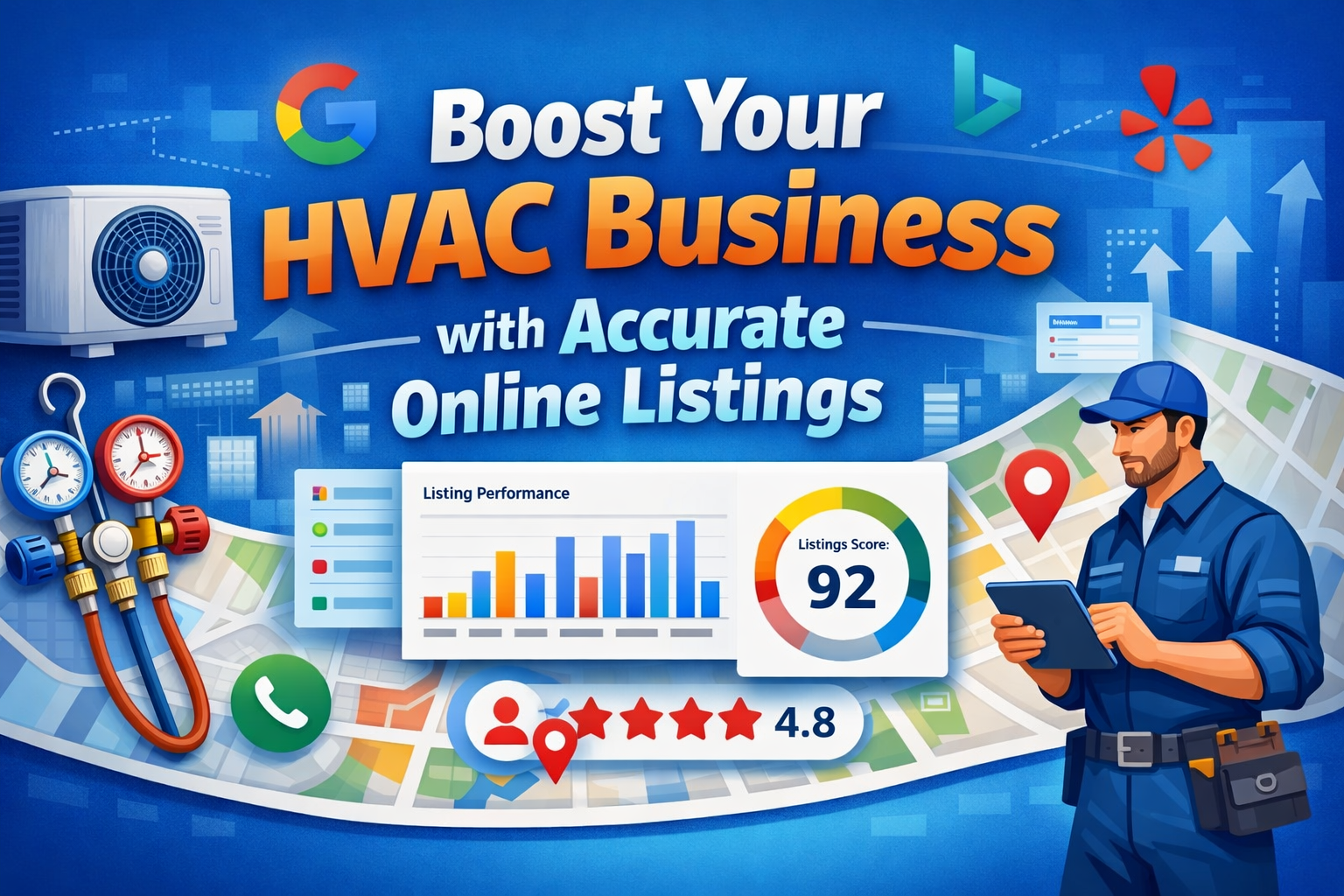
Your Google Business Profile is a powerful tool for local SEO. Make sure it’s fully optimized with updated information, photos, and customer reviews. Also, check whether your business is listed in local online directories and platforms relevant to your niche. Consistent information across these sites strengthens your local SEO, making it easier for people nearby to find you. 


Additionally, use pay-per-click ads tailored to target specific geographic areas. They can improve your search engine visibility quickly, especially for promotional offers or seasonal services.


The Future of SGE 


Looking ahead, the future of Google Search Generative Experience (SGE) is exciting, especially for HVAC companies. SGE is always improving, and we can expect even more interactive features down the road. 


For HVAC businesses, it’s important to keep up with these updates in SGE. The world of online search is changing fast, and staying in the know can give your business an edge over others. By keeping up with new tools and trends, you can find better ways to connect with customers and meet their needs more effectively.


You could subscribe to tech newsletters, attend webinars, or join online marketing forums. Keep up with the latest developments to adjust your online strategies, so your HVAC business stays competitive in a fast-moving digital world. 


Ready to turbocharge your HVAC company in the digital age? Visit us at All Contractor Marketing® to discover how our expert marketing strategies can help you stay ahead of the curve. Contact us now to learn more and take your business to the next level.
By Chris Smith March 21, 2026
A Smart Marketing Blueprint for HVAC Contractors Marketing isn’t something you should do just because your competitors are. For HVAC businesses to grow consistently, you need a strategic plan backed by real goals, budgets, and measurable tactics — not knee-jerk decisions. Why You Need a Marketing Plan HVAC marketing works best when it’s proactive and repeatable , rather than reactive. A written annual plan gives structure to your campaigns, improves consistency, and helps you avoid wasting money on tactics that don’t deliver results. A basic plan should include: Your business goals for the year A timeline for achieving those goals Defined steps and channels you’ll use The metrics you’ll track to measure success A marketing budget aligned with your revenue Setting Your HVAC Marketing Budget One fundamental question every HVAC owner asks is: how much should I spend on marketing? A reliable benchmark for HVAC companies is to allocate 5%–10% of gross revenue toward your annual marketing efforts — aiming closer to 10% if you’re aggressively pursuing growth. Here’s how to think about this range: 5% of revenue works well if you’re focusing on maintaining steady lead flow 7%–10% of revenue is ideal when you want to expand service areas, boost seasonal demand, or outperform competitors Budgeting this way ensures you have enough funds to invest in the channels that drive quality HVAC leads without overspending. Core Components of an HVAC Marketing Strategy Once your budget is in place, it’s time to build your strategy around key areas that actually move the needle: 1. Brand Foundation Your brand is more than a logo — it’s the look, tone, values, and message your customers associate with your company. Consistent branding builds trust, which is especially important for homeowners choosing an HVAC provider. 2. Website That Converts Your website is the hub of all your digital marketing. Make sure it clearly answers: Who you are What services you offer How to contact you What offers you have (e.g., service plans or seasonal discounts) If you’re spending money driving traffic, but your site doesn’t convert visitors into calls or form submissions, you’re losing money. 3. SEO and Local Search Search Engine Optimization (SEO) helps your business show up when potential customers are searching for HVAC services online. Local SEO strategies like optimizing your Google Business Profile and gathering positive reviews can dramatically increase visibility. 4. Paid Digital Advertising Using targeted ads — especially Google Local Service Ads and paid search — gets your business in front of homeowners actively looking for HVAC help. These paid channels can deliver fast results when optimized correctly. 5. Customer Retention and Reviews Don’t ignore the customers you already have. Encourage reviews, promote maintenance plans, and communicate seasonally. Repeat business and referrals are often the most cost-effective sources of revenue. 6. Tracking and Optimization Whatever you spend, tracking results is vital. Use call tracking, analytics, and lead reporting so you know which channels are generating revenue and which ones are wasting cash. Optimization is how smart HVAC marketers maximize ROI. Final Thoughts  Successful HVAC marketing isn’t based on impulse buys or copying competitors. It begins with a clear plan, a realistic budget based on revenue, and a disciplined focus on activities that deliver measurable results . When you invest strategically — typically between 5% and 10% of gross revenue — and measure continually, you’ll improve lead quality, grow year-over-year, and stay ahead of the competition.
By Chris Smith March 14, 2026
How HVAC Companies Can Build an AI-Driven Marketing Strategy That Works In 2026, HVAC customers are not just finding contractors through traditional search alone—they are comparing reviews, checking directories, browsing maps, and increasingly relying on AI-driven tools to decide who to trust At All Contractor Marketing, we specialize in HVAC marketing, so we understand how these changes are reshaping the way contractors get discovered, evaluated, and chosen online. AI is not just another trend for this industry; when applied strategically, it helps HVAC companies improve visibility, strengthen trust, automate key marketing tasks, and make smarter decisions that lead to more booked jobs. Here’s how an AI-driven marketing strategy works and why ACM is uniquely positioned to help HVAC companies use it effectively. What Is an AI Marketing Strategy for HVAC? An AI marketing strategy uses smart technology to: Understand how potential customers find your HVAC business online Monitor your reputation across platforms (search engines, maps, reviews, etc.) Automate repetitive tasks like review responses, posting content, and message replies Enable faster decision-making based on real customer data This is not about replacing your team — it’s about amplifying what you already do well by letting AI handle the heavy lifting. Why HVAC Contractors Need AI in Their Marketing Here’s how AI can make a noticeable difference in your HVAC business: 1. Get Found More Easily Online Customers discover HVAC services in many places — Google, Yelp, Facebook, Maps, and AI chat tools. AI helps you understand where your customers start their search and ensures your business shows up in the right places. Keeping your listings accurate and updated across platforms increases visibility and leads. 🔑 Tip: Consistent business information (hours, services, contact info) across directories improves search rankings and builds trust with customers. 2. Build Online Trust With Better Reviews Online reviews are one of the biggest deciding factors for homeowners choosing an HVAC contractor. AI can help you: Collect more reviews by prompting satisfied customers Respond to reviews quickly and professionally Spot trends or issues in customer feedback Positive reviews and timely responses boost search visibility and help convert more visitors into booked jobs. 3. Automate Repetitive Marketing Tasks AI tools take over time-consuming tasks like social scheduling, review monitoring, and performance reporting. That means your team can focus on customer service and field operations while AI handles routine work behind the scenes. Examples of automation: AI-generated social posts sharing seasonal HVAC tips Auto-responses to customer messages after business hours Alerts when a review needs attention 4. Make Data-Driven Decisions AI analyzes customer interactions and behavior across multiple platforms. This gives you real insights into: Which marketing channels are driving calls What keywords customers use to find you Where demand is growing or slowing With this intelligence, you can invest your marketing budget smarter and scale activities that work. How to Build Your AI-Powered HVAC Marketing Strategy Here’s a practical framework HVAC companies can use to start seeing results: 1. Audit Your Current Marketing Begin by looking at what you already have: Your website performance Search rankings Review volume and sentiment Social engagement metrics This audit shows where AI can boost results the most. 2. Set Clear, Measurable Goals Don’t adopt AI just because it’s trending. Set specific goals such as: Increase booked service calls by X% Grow online review count Reduce time to respond to leads Clear goals help you track progress and prove ROI. 3. Choose the Right AI Tools AI marketing tools should: Integrate with your website and CRM Help with SEO and content creation Improve customer engagement Automate tasks without losing brand voice Start simple and scale up as you see results. 4. Train Your Team AI is most effective when your team knows how to use it. Provide training so everyone understands: What the tools do How to interpret AI insights When to step in manually 5. Monitor and Adjust Continuously monitor results and make adjustments. AI can surface trends and opportunities that help you stay ahead of competition — but you still need to guide it with strategy and oversight. Final Thoughts AI is transforming HVAC marketing, but results do not come from using random tools or chasing trends; they come from applying the right strategy to the right parts of your business. The contractors who benefit most from AI are the ones using it to improve visibility, reputation, response speed, and marketing performance in ways that actually generate more leads and booked jobs. That is where All Contractor Marketing stands apart. HVAC marketing is our specialty, and we understand how to turn emerging tools like AI into practical growth strategies that support real business results. If you want expert help building an AI-powered marketing strategy that helps your HVAC company get found, earn trust, and win more customers in 2026, ACM is the team to contact.
By Chris Smith March 7, 2026
HVAC Website Service Area Pages: How to Rank Higher and Get More Local Leads If your HVAC business serves multiple cities or communities, generic website pages are not enough to help you rank where your ideal customers are actually searching. At All Contractor Marketing, we specialize in HVAC marketing, so we know that well-built service area pages are often the missing link between getting found online and consistently generating qualified local leads. The contractors who win in local SEO are not relying on broad service pages alone; they are building localized content that helps Google connect their services to the exact markets they want to dominate. Here’s why HVAC service area pages matter and how ACM helps contractors use them to increase visibility, trust, and booked jobs. What Are Service Area Pages? A service area page is a webpage designed to connect your HVAC offerings with a specific geographic area. Instead of just listing a broad service area on a single page, you create unique pages for each city, town, or region you work in. For example: “HVAC Repair in Marietta, GA” “AC Installation in Woodstock, GA” “Furnace Maintenance in Canton, GA” These pages let search engines match your services to local search queries like “AC repair near Woodstock” or “furnace service in Marietta.” Why Service Area Pages Matter for HVAC SEO Rank for More Local Searches If you only have one generic service page, Google may not show your business for specific local searches—even if you serve that area. Creating targeted pages helps you appear in searches tailored to each city or neighborhood you cover. Better Relevance for Prospects Customers tend to click on results that clearly mention their city or community. When someone sees “AC Tune-Ups in Smyrna” on your page title and content, they instantly know you serve their neighborhood. This relevance improves both rankings and conversion rates. Expanded Visibility Without Physical Locations Many HVAC contractors work from a central office but travel throughout a metro area. Service area pages let you establish a digital presence in each service zone you cover, even without separate physical locations there. Key Elements of Effective HVAC Service Area Pages Here’s what every HVAC service area page should include to boost local SEO and help drive leads: Clear, Localized Headline Start with an H1 that includes the service and location, like: Heating and Air Conditioning Services in Alpharetta, GA This tells both users and search engines exactly what the page is about. Customized Content for Each Area Avoid duplicating the same text across different pages with only the city name changed. Instead: Discuss common HVAC challenges in that climate Mention local weather patterns (humidity, winter cold, summer heat) Add references to landmarks or neighborhoods that locals recognize This signals to Google that your content is unique and relevant for that location. Detailed Service Descriptions List all HVAC services you offer in that specific area: AC repair and installation Furnace tune-ups Heat pump servicing Indoor air quality solutions Clear bullet points help both search engines and readers scan what you provide. Strong Calls-to-Action Encourage visitors to take the next step: “Call now for HVAC service in [City]” “Schedule your AC tune-up today” “Request a quote for furnace installation” Include click-to-call buttons on mobile to make contacting you effortless. Local Reviews and Testimonials Social proof matters. Feature reviews from customers in each service area to build trust and show real experience in that community. Internal Links Link from your location pages back to core service pages (like Residential HVAC or Commercial HVAC) to help with site structure and SEO flow. Best Practices and Pitfalls to Avoid Don’t Duplicate Content Pages that only swap out city names look spammy to search engines. Each page should include genuinely distinct content tailored to the area. Focus on Major Service Areas Avoid creating dozens of pages for tiny or overlapping zones. Focus on the communities that actually drive business to you. Keep Pages Updated SEO isn’t “set it and forget it.” Update your service area pages with fresh customer photos, new testimonials, or seasonal HVAC tips to keep them performing well. Wrap-Up: Boost Your Local HVAC Leads Service area pages are one of the most important SEO assets an HVAC company can build when it wants to rank in more local markets and turn search visibility into real leads. But getting results takes more than publishing a list of city pages; it requires localized strategy, unique content, smart site structure, and a clear understanding of how homeowners search for HVAC services. That is where All Contractor Marketing stands apart. HVAC marketing is our specialty, and we know how to build service area page strategies that help contractors rank higher, earn more trust, and generate more booked jobs from the areas that matter most.  If you want expert help strengthening your HVAC SEO, ACM is the team to contact.