
The Wasted HVAC Co-Op Marketing Dollars Have Been Found
Chris Smith • January 5, 2026
The Wasted HVAC Co-Op Marketing Dollars Have Been Found
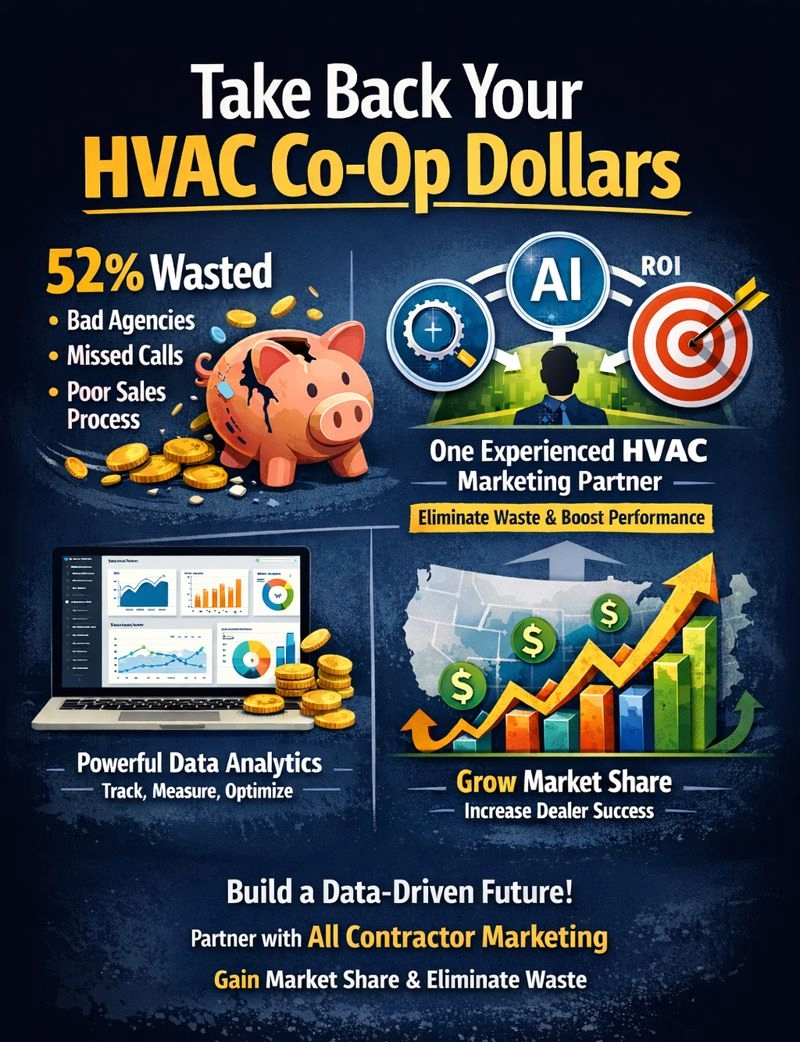
John Wanamaker, a pioneering American retailer, famously made the statement, “Half of my advertising budget is wasted; the problem is I don’t know which half.” With our experience, artificial intelligence, and data science, we now know exactly which half is wasted when it comes to HVAC co-op marketing budgets, and this knowledge can fundamentally transform market share for the manufacturers who embrace the changes needed to win in today’s market.
For decades, HVAC manufacturers have invested millions—often tens or hundreds of millions collectively—into co-op marketing programs designed to support dealer growth, increase brand visibility, and drive market share. The intention has always been right. The execution, however, has been deeply flawed.
At All Contractor Marketing (ACM), we work with hundreds of HVAC businesses every year. We see behind the curtain of dealer marketing operations, from small family-owned companies to multi-location enterprises. What we see repeatedly is not malicious intent or negligence, but a systemic failure of experience, process, and data visibility—a failure that quietly wastes an estimated 52% of all HVAC co-op marketing dollars.
This article will outline how that waste happens, why it persists, and—most importantly—how HVAC manufacturers can eliminate it without spending one additional dollar, while dramatically improving dealer performance and market share outcomes.
The Hidden Scale of the HVAC Co-Op Marketing Problem
HVAC manufacturers often assume that co-op waste happens at the margins: a bad agency here, a weak dealer there. The reality is far more alarming. The waste is structural, pervasive, and embedded into how co-op marketing is currently executed.
Most HVAC dealers are not sophisticated consumers of digital marketing. They don’t understand ad platforms, attribution models, conversion tracking, lead quality metrics, or sales analytics. They trust local marketing companies, regional agencies, or “HVAC marketing experts” who often lack true HVAC experience and rely heavily on white-label services, offshore labor, and generic marketing playbooks.
Manufacturers, meanwhile, lack visibility beyond invoices and surface-level reports. Without standardized data, dashboards, and performance benchmarks, there is no way to truly know whether co-op dollars are driving phones to ring, leads to close, or systems to be installed.
The result is predictable: money gets spent, activity gets reported, but results don’t materialize.
To illustrate the depth of the issue, consider the following three examples. These are not edge cases—they represent the most common failures ACM encounters every year when onboarding new HVAC clients.
Example 1: $2 Million Spent, Almost Nothing Gained
The first company was a 20-year-old HVAC business that had partnered with a local digital marketing company. Over four years, the HVAC company spent $500,000 per year, totaling $2 million in digital marketing spend. A significant portion of that spend was funded through manufacturer co-op programs.
The local marketing company did not perform any services in-house. SEO was subcontracted to a firm in India. Paid advertising was subcontracted to a white-label paid ads provider that also relied on offshore labor. None of the companies involved had deep HVAC marketing experience.
When the HVAC business owner contacted ACM, they were understandably disappointed. They believed digital marketing “didn’t work” and felt it produced little to no return on investment.
Our audit revealed two critical failures.
Ineffective Top-of-Funnel Advertising
The offshore ad suppliers had built a top-of-funnel display advertising strategy using programmatic ads, banner ads, and display retargeting—an approach that might work for retail products like clothing or handbags, but is fundamentally misaligned with HVAC consumer behavior.
HVAC purchases are driven by urgency, trust, and intent. When an air conditioner fails in July or a furnace stops working in January, homeowners do not browse banner ads and “consider” options over weeks. They search with high intent and call companies they trust.
Display advertising suffers from ad blindness—a well-documented phenomenon where consumers subconsciously ignore banner ads due to overexposure. For HVAC, ad blindness renders display-heavy top-of-funnel strategies largely ineffective.
The Silent Drain of Subcontracted Ad Spend
Even more damaging was the financial structure. By the time the HVAC dealer paid the local marketing company, and that company paid the white-label provider, and that provider paid offshore labor, more than 50% of the ad spend was gone before a single ad reached a homeowner.
Multiple layers of profit extraction meant less media spend, poorer optimization, and minimal accountability. The end result: very few leads, almost no measurable ROI, and a business owner who didn’t know enough to question the process.
When asked why they hadn’t spoken up sooner, the owner said:
“I really do not understand how all this works and the local guy I dealt with seemed really nice. I had no idea what was actually happening and I did not even know how to question the process.”
This failure didn’t just hurt the dealer. It resulted in approximately $1 million in wasted HVAC co-op marketing funds—money that could have significantly increased manufacturer market share if executed by a vetted, experienced HVAC marketing partner.
Example 2: The Phone That Nobody Was Answering
The second company was a 15-year-old HVAC business that had historically focused almost entirely on new construction. They decided to diversify into residential retrofit and became a conversion customer for a regional distributor.
As part of the conversion program, 100% of the marketing costs were covered, with a $350,000 annual budget. The distributor selected All Contractor Marketing to execute the program.
Within just two months, ACM’s data analytics revealed a devastating insight: the company was answering only about 50% of incoming phone calls.
This wasn’t a marketing problem—it was an operational one.
Years of new construction work had conditioned the company to deprioritize customer service representatives, phone systems, and lead handling processes. Without HVAC-specific analytics, this issue would have gone unnoticed indefinitely.
ACM worked closely with the company to:
- Improve their phone system
- Increase CSR staffing
- Improve CSR skills
- Implement call tracking and accountability
- Improve internal workflows and response times
As a result, the company moved from answering roughly half of incoming calls to nearly 100%.
Without strong data analytics and HVAC marketing experience, this company would have continued wasting 50% of their co-op marketing spend—not because the marketing failed, but because no one was there to answer the phone.
This company had no retrofit marketing history. Without data, they would have assumed marketing “wasn’t working,” when in reality, leads were simply disappearing into unanswered calls.
Example 3: When Sales Performance Goes Unmeasured
The third company was a 20-year-old HVAC business with extensive residential retrofit experience. They had a three-person comfort specialist sales team and entered a conversion program where ACM managed a $425,000 annual marketing budget.
Data analytics quickly uncovered two alarming trends.
First, one comfort specialist was dramatically underperforming compared to the other two. Second, as lead volume increased, all three salespeople’s close rates declined significantly.
It was estimated that 34% of leads were being wasted—a combination of poor performance by one specialist and the absence of a structured sales process that allowed even strong performers to slip as demand increased.
The owner assumed all three comfort specialists were closing at competitive rates. There was no sales process, no inspection of performance, and no systematic follow-up for unclosed leads.
ACM helped the company:
- Implement a formal sales process
- Ensure every lead was contacted
- Build a structured follow-up system
- Provide sales training remediation for the underperforming specialist
Once performance was inspected, improved, and standardized, close rates stabilized and improved across the board.
The lesson was simple and powerful: owners cannot expect performance they do not inspect. Without data analytics and process, leads leak, close rates drop, and co-op marketing funds are wasted—no matter how good the marketing is.
The Data Tells a Clear Story: 52% Waste
Extrapolating from ACM’s experience across hundreds of HVAC dealers, the conclusion is unavoidable:
Approximately 52% of all HVAC co-op marketing funds are wasted due to:
- Inexperienced marketing companies
- Ineffective advertising strategies
- Failure to answer the phone
- Failure to measure and manage lead closure rates
This is not a dealer problem alone. It is a system problem—one that manufacturers are uniquely positioned to solve.
Why HVAC Manufacturers Must Centralize Co-Op Marketing
HVAC manufacturers should partner with one experienced HVAC marketing firm—like All Contractor Marketing—that understands:
- HVAC consumer behavior
- HVAC digital marketing channels
- HVAC internal processes
- HVAC sales operations
- HVAC-specific data analytics
Standardization does not mean stagnation. It means measurable, repeatable success.
The Missing Link: Data Visualization Across the Supply Chain
The future of HVAC co-op marketing is not more tactics—it is data visualization.
ACM’s data dashboards allow:
- Dealers to understand how to maximize co-op marketing and close more leads
- Territory managers to identify underperforming dealers and help them mirror top performers
- Distributors to measure effectiveness across their footprint and understand true market share
- Manufacturers to identify national patterns, test strategies, and measure real dealer-level impact
This data enables manufacturers to:
- Refine consumer messaging
- Optimize regional strategies
- Identify strategic dealer partners
- Take back market share lost to private equity acquisitions
This is market intelligence that simply does not exist in today’s fragmented co-op ecosystem.
No New Investment Required—Just Less Waste
This strategy does not require additional spend.
It requires:
- Eliminating waste
- Eliminating fraud
- Standardizing execution
- Centralizing data
Partnering with a proven HVAC marketing company like All Contractor Marketing allows manufacturers to do more with the same dollars, while gaining unprecedented insight into their markets.
The AI and White-Label Trap
Artificial intelligence and white-label marketing suppliers have made it easy for anyone to claim they are an HVAC marketing expert.
HVAC dealers are not equipped to evaluate these claims. As a result, over half of co-op marketing dollars are quietly wasted every year, and this waste is only going to go up.
Manufacturers can no longer afford to ignore this reality.
Two Paths to Implementation: Stick or Carrot
There are two effective ways to move every dealer under one experienced HVAC marketing partner:
The Stick:
Dealers must use the designated marketing partner to receive the full 50% co-op. Dealers who opt out receive only 25%.
The Carrot:
Dealers who choose the designated marketing partner receive an additional 15% co-op match.
The carrot approach is often more effective and still costs less than the current 52% waste, while driving greater market share gains.
John Wanamaker Would Be Proud John Wanamaker never knew which half of his advertising budget was wasted.
Today, we do.
HVAC manufacturers now have the opportunity to eliminate that waste, build a data-driven future, and dominate market share in the new era of artificial intelligence.
Partner with All Contractor Marketing and let’s build the data-driven future of co-op marketing together to gain market share, eliminate waste, and grow your dealers. Contact Us Today
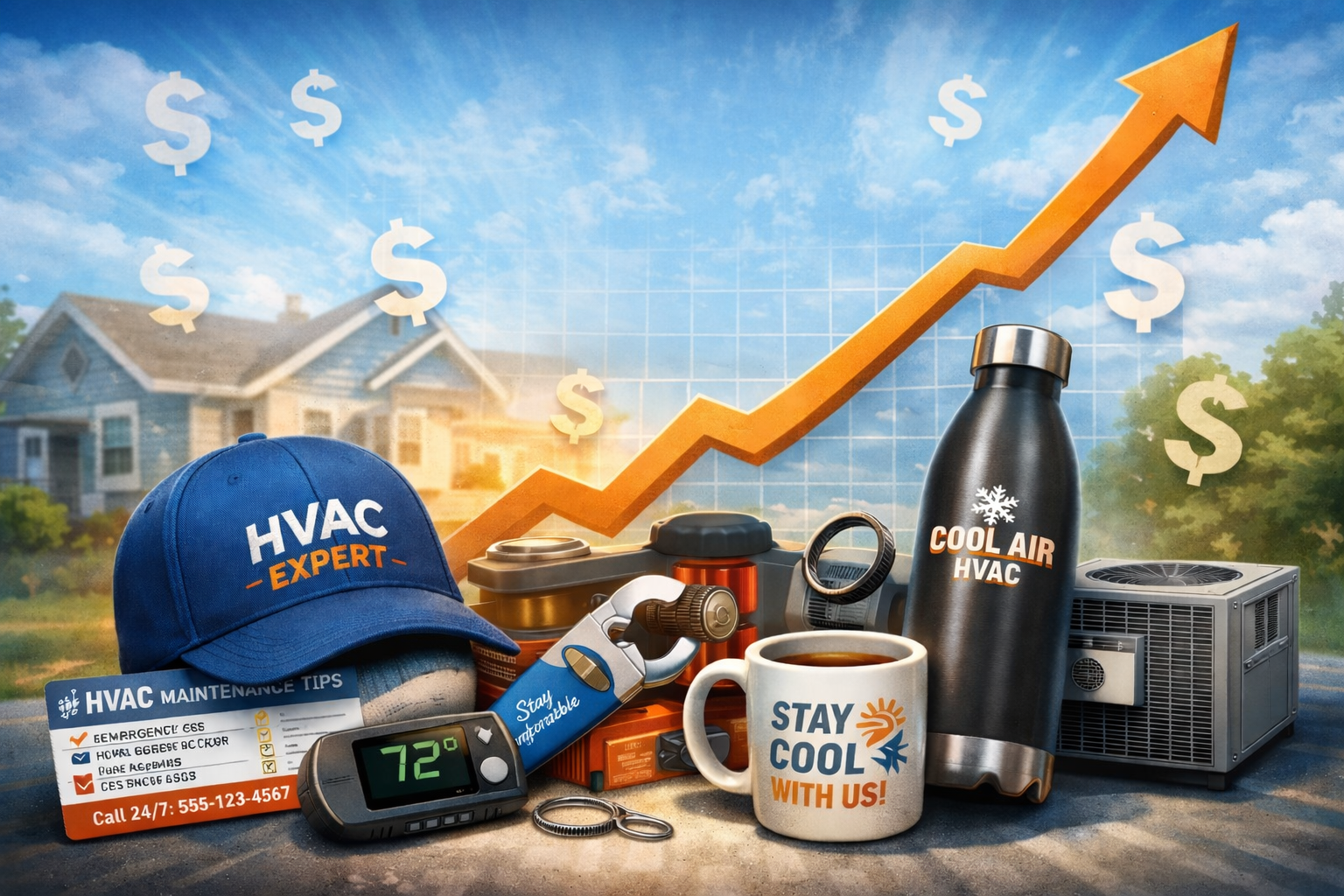
How HVAC Companies Can Use Promotional Products to Grow During a Slow Economy In times when budgets tighten and new leads are harder to come by, HVAC businesses need creative ways to stay top of mind with current and potential customers. Promotional products — when used strategically — can be a cost-effective marketing tool that strengthens brand awareness, boosts customer loyalty, and drives repeat business without draining your marketing budget. Here’s how HVAC contractors can get the most value from promotional products in a softer economy. 1. Take Stock of What You Already Have Before ordering new branded items, check your inventory. If you have leftover promotional gear from previous campaigns — things like branded pens, magnets, or reusable bags — consider repurposing them in upcoming promotions or customer appreciation efforts. Reusing existing stock helps stretch your budget further. 2. Choose Products That Reflect Your Brand and Audience Not all swag delivers equal value. For HVAC services target homeowners and property managers who value reliability and comfort. Useful items like branded thermometers, magnetic HVAC maintenance checklists, or quality reusable water bottles keep your logo visible and relevant all year long. Durable items increase daily use and repeated exposure, offering better long-term return on investment than throwaways. 3. Track Impact With Simple Metrics You can make promotional products measurable. Try adding QR codes that link to a special HVAC service offer or maintenance guide, or include promo codes redeemable for tune-up discounts. This lets you track how many leads and conversions came directly from your swag. 4. Prioritize Items With Practical Value In a competitive HVAC market, promotional products that get frequent use are especially powerful. Everyday tools like quality pens, calendars, or utility knives can keep your brand on a customer’s desk or keyring. Even branded magnets with your emergency contact number are practical and appreciated, especially during extreme weather months. 5. Buy Smart to Save Money Bulk ordering can significantly reduce per-item cost. If your business services multiple territories or branches, consider pooling orders with other teams or departments to benefit from economies of scale. Plan ahead to avoid rush fees and ensure timely delivery. 6. Design With Quality and Relevance in Mind Cheap giveaways may generate short-term attention but can diminish your brand’s professional image. Invest in quality items that people will want to keep and use. A well-designed HVAC branded item suggests reliability — just like your services. 7. Create Curated Brand Experiences Instead of handing out single items, assemble thoughtful care packages for specific audiences. For example: A winter readiness kit for homeowners that includes a door draft stopper, branded coffee mug, and maintenance coupon A property manager kit with office essentials and priority service contact details These curated bundles feel more valuable and strengthen emotional connection with your brand. 8. Partner for Co-Branded Opportunities Collaborate with complementary local businesses — like realty agencies or home improvement stores — to co-brand promotional products. Sharing costs and audiences can expand reach while keeping expenses down. 9. Use Promotional Products at Every Customer Touchpoint Give promotional products out at service calls, trade shows, community events, or when customers sign up for maintenance plans. These moments are opportunities to reinforce your brand and remind people that you’re the trusted HVAC partner they can count on. 10. Follow Up After Distribution Your job isn’t done when the item is handed out. Send a follow-up email or text message thanking customers for visiting your booth or for their business, and remind them how to redeem any special offers included with the promo item. This extra touch increases the likelihood of returning business. Final Thoughts Even in a slower economy, promotional products remain a powerful way to nurture customer relationships, build brand recognition, and generate measurable business results. With thoughtful planning, tracking, and customer focus, HVAC companies can turn simple branded items into tools that help grow their business and stay ahead of the competition.
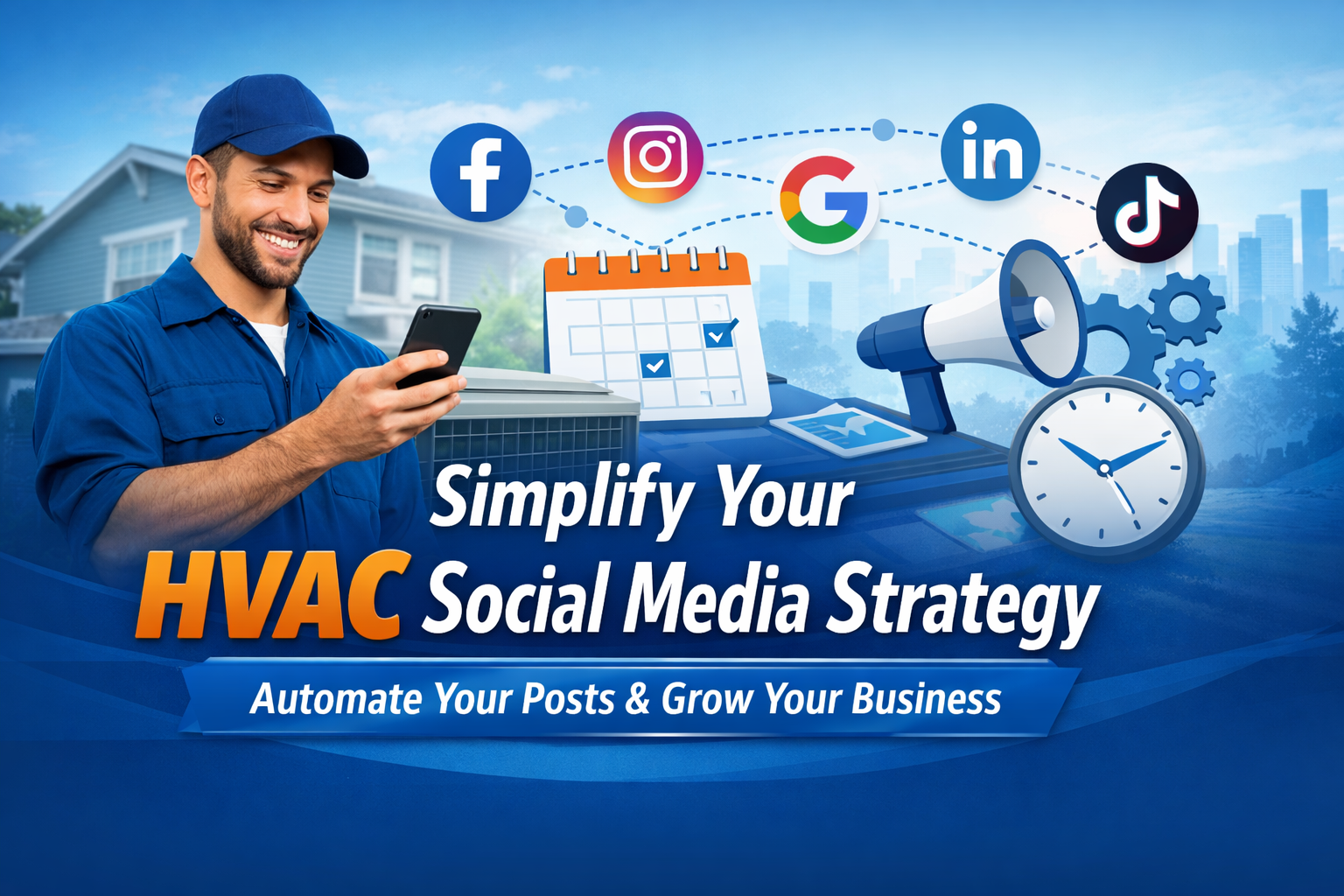
How HVAC Businesses Can Streamline Social Media With Smart Publishing In today’s digital world, staying active on social media isn’t extra — it’s essential. For HVAC companies, regular social posts help you stay top-of-mind with local customers, share seasonal tips, promote service specials, and build trust in your community. But consistently creating and scheduling posts across Facebook, Instagram, LinkedIn, Google Business Profile, and more can quickly become overwhelming. That’s where automated social publishing tools come in. These systems take the guesswork and grunt work out of managing your HVAC social presence by planning, generating, and scheduling content for you — while keeping your brand voice consistent. Why HVAC Social Media Publishing Can Be Hard Most HVAC teams know the struggle: you start the week with good intentions, only to stare at a blank content calendar by Tuesday. Posting regularly across multiple platforms means: Creating new content ideas Customizing messages for each social platform Aligning posts with seasonal needs (think winter heating care or summer A/C checkups) Scheduling at times your audience will engage All of this is time-consuming — and that’s before you factor in approvals and edits. What Social Publishing Tools Do Modern social publishing systems automate the whole content cycle — from planning to posting. They: Generate ideas and posts AI and smart engines analyze industry trends, seasonal events, local needs, top-performing past posts, and competitors to suggest what you should post and when. Tailor content for HVAC audiences By learning your brand voice and service areas, these tools create posts that feel authentic — whether you’re promoting spring tune-ups, sharing energy-saving tips, or highlighting customer testimonials. Fill your calendar automatically Rather than starting from scratch each week, you get a filled content calendar with ready-to-publish posts that align with your goals and local HVAC needs. Handle multi-platform posting Good tools let you publish to Facebook, Instagram, LinkedIn, TikTok, and Google Business Profile all from one place. Support approvals and edits If you want oversight before anything goes live, built-in approval workflows make it easy for your marketing lead to review and adjust posts. Benefits for HVAC Companies Using a dedicated social publishing solution can transform how your HVAC business connects with customers: Save time Automated content generation and scheduling free your team to focus on service quality and customer communication rather than repetitive posting. Increase engagement Consistent posting paired with AI-recommended best posting times can help boost reach and interaction, bringing more eyes to promotions, maintenance tips, and seasonal reminders. Stay relevant locally Rather than generic national posts, these tools help craft messages that make sense for your specific service areas — a key advantage for local HVAC businesses trying to build regional authority. Grow your brand voice AI learns your style over time, producing content that sounds like you — not robotic or generic. Best Practices for HVAC Social Publishing Here are a few tips to get the most out of your social publishing system: Plan seasonal campaigns. Highlight preventative maintenance in spring and fall, energy-saving summer tips, emergency service readiness in winter, and any promotions you run. AI tools can help populate these into your calendar. Mix educational content with promotions. Balance service specials with helpful HVAC tips — like how to change filters or when to schedule a pre-winter check. AI tools often pull trend data to help you do this effectively. Review and customize. Automated uploads are great, but always glance at suggested posts to ensure they fit your brand and local audience. Track results. Use analytics to see which posts get the most engagement and let that guide future topics. Many social publishing tools include reporting dashboards. Conclusion For HVAC businesses aiming to grow their online presence without spending hours each week on content creation, automated social publishing tools are a game changer. By generating on-brand, locally tailored posts and scheduling them at optimal times, these systems make social media management efficient and effective — helping you attract new leads and deepen engagement with your community.
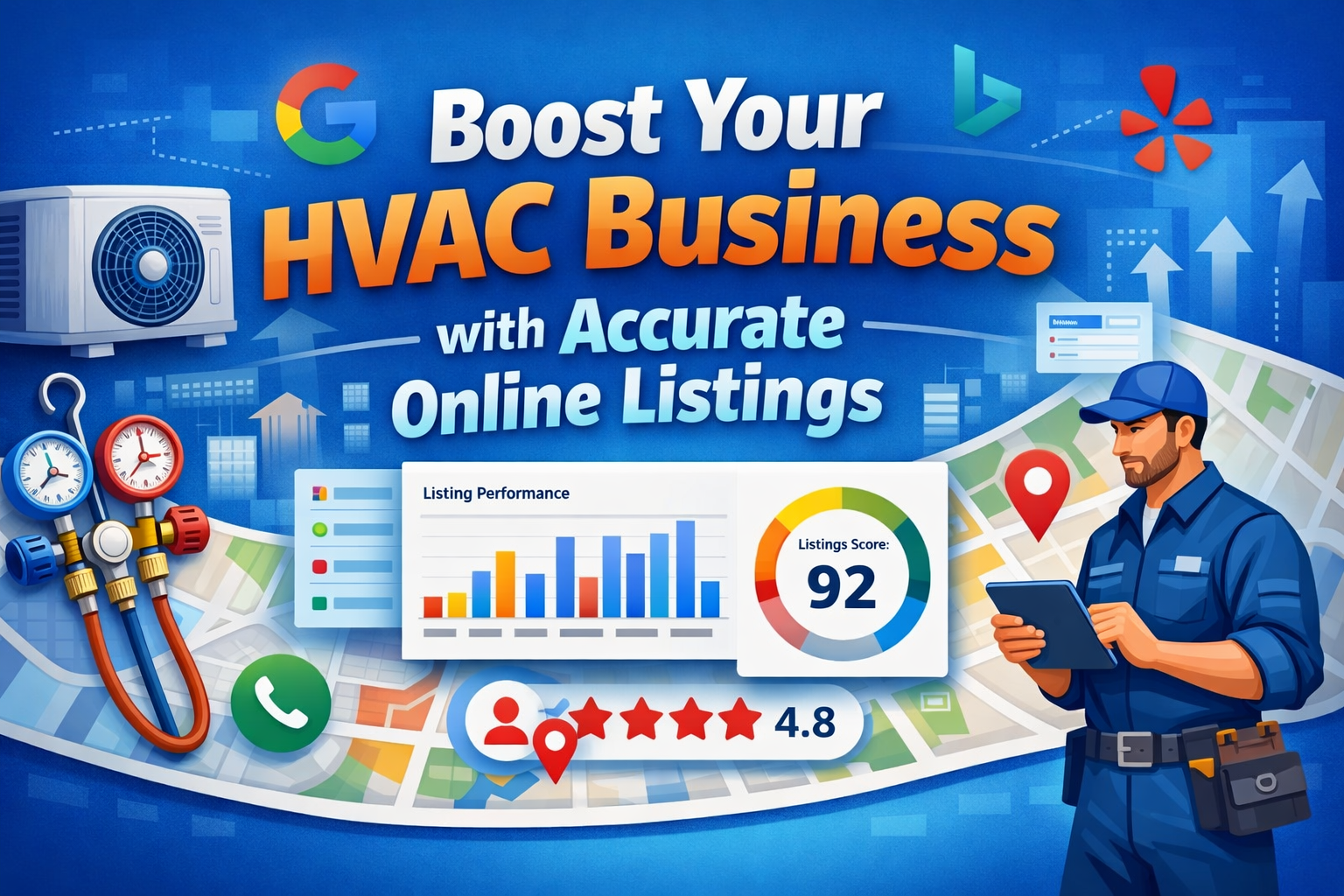
Why Accurate Online Listings Are a Game Changer for Your HVAC Business As an HVAC contractor, getting found online isn’t optional anymore — it’s essential. When homeowners search for “AC repair near me” or “furnace installation,” your business needs to show up with accurate, complete information across all the major directories to win that lead. One of the most impactful ways to improve your local visibility and attract more customers is through well-managed online listings and reporting. What Are Online Listings? Online listings are your business profiles across platforms like Google Business Profile, Apple Business Connect, Yelp, Bing Places and many industry-specific directories homeowners use to find HVAC services. These listings include your company name, address, phone number (NAP), hours, services offered and often customer reviews. Maintaining accurate listings helps you show up in local search results when potential clients are actively looking for HVAC help. Why HVAC Listings Matter More Than Ever Search engines use business listings to understand who you are and where you operate. Accurate, consistent listings across the web: Boost local SEO rankings because search engines trust consistent data. Connect customers quickly with up-to-date details like emergency service hours or new contact numbers. Increase credibility by showing reviews and complete business information. For HVAC contractors — where services are often urgent — listings can be the difference between a new job and a lost customer. The Power of Listings Reporting Simply having listings isn’t enough; you need to know how they perform. Listings reports help HVAC businesses analyze how customers find and interact with their profiles online. With reporting tools you can: Measure visibility and engagement like how many times your listings appeared and what actions users took (calls, clicks, directions). Check profile accuracy to ensure your hours, phone and services are correct everywhere. Track keyword rankings so you can optimize for HVAC-specific searches like “emergency AC repair” in your city. Compare performance over time to see what’s working and where to improve. This data allows you to make smarter decisions about where to invest your marketing efforts and how to optimize listings for more calls and bookings. Listings Score and Why It Matters Most reporting tools also give you a Listings Score, a snapshot of how strong your online presence is across platforms. A higher score means: More accurate information across directories Better local search rankings Higher trust from search engines and customers Improving your listings score over time should be part of your HVAC marketing strategy. Best Practices for HVAC Listings To get the most from your listings: Claim and verify your profiles on Google, Yelp, Apple and industry directories. Keep NAP consistent across all platforms — mismatches hurt your SEO. Use HVAC-specific keywords so your listings appear in relevant local searches. Encourage customer reviews and respond professionally. Monitor performance and update listings as your services or hours change. Conclusion For HVAC companies looking to grow online and convert more local searches into real service calls, accurate and well-managed online listings are foundational. Combine them with regular performance reporting to track progress and continuously improve your visibility. That’s how you stay ahead in a competitive local market and make sure customers find your HVAC business first when they need help the most.